

The Best Supplements For Stress Reduction And Anxiety
Many people live in a state of constant stress, accepting it as the unfortunate consequence of a fast-paced, modern life. Though feeling anxiety from time to time is entirely normal stressing too much can have harmful impacts on your well-being, causing problems like migraines and sleep disturbances.
A 2011 study performed by the American Psychological Association (APA) found that roughly 44% of Americans reported that their stress levels had increased over the years. With a multitude of Americans feeling higher levels of stress, people are seeking effective ways to counter their stress levels. Luckily, there are various natural supplements for stress and anxiety.
We realize that there are no quick fixes for a stress-free life, but learning to deal with your stress effectively can lead to happier, and more fulfilling life.
Supplementation for Stress Reduction
Research shows that chronic stress impacts our physical well-being, emotional health, and how long we live. Emotional stress, in particular, is extremely dangerous. While stress is pervasive, its effects can be mitigated in ways. In addition to daily mindfulness or popular deep breathing and meditation techniques, a balanced diet and sufficient exercise, some natural remedies and vitamins have been shown to help reduce stress and its negative impacts.
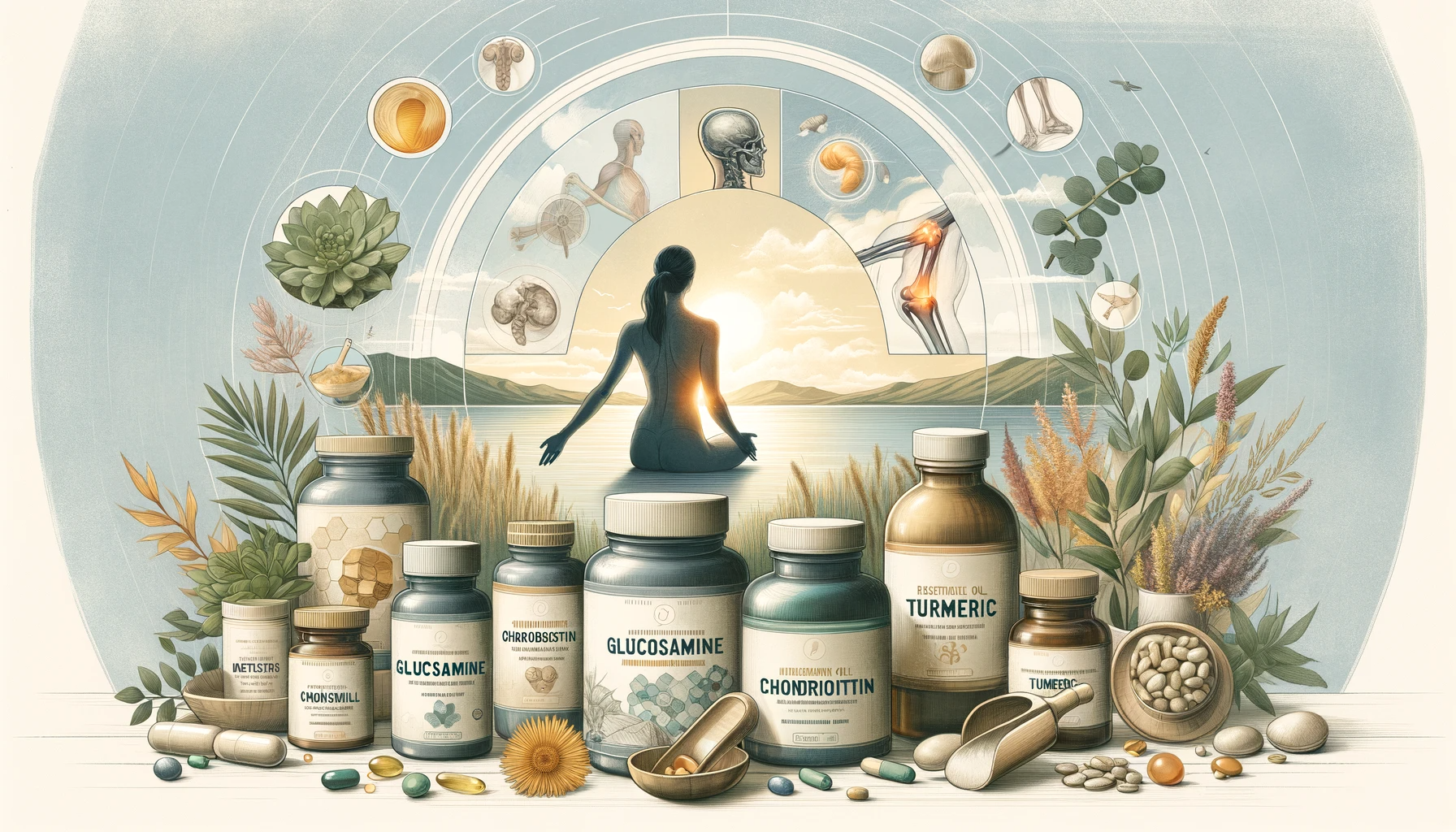
Outlined below are the various health benefits of 5 herbal supplements that have proven to be extremely useful at reducing stress and several other pervasive ailments.
1. Ashwagandha
Ashwagandha ‘s background of classical ayurvedic medicine is storied. The whole plant has beneficial properties, from roots to seeds, particularly when it comes to reducing stress.
Clinical studies show that although the benefits of Ashwagandha are wide-ranging, it is a solid performer for reducing our daily stress levels. A particularly interesting 2017 study showed a 44% decrease in stress levels after taking Ashwagandha, compared to a 5.5% decrease in the placebo group. Also, as a symbol of its powerful stress reduction properties, a 2012 clinical experiment showed impressive stress reduction levels after only 60 days.
2. Chamomile
Chamomile has long been employed as a mild sedative to encourage calmness and lessen feelings of anxiety. In a double-blind, placebo-controlled trial it was found that chamomile is safe and effective alternative therapy for GAD.
Further studies also show show that Chamomile can help improve moderate-to-severe symptoms that are associated with an anxiety disorder, one of the most prevalent chronic psychological disorders.
Furthermore, diffusing chamomile essential oil may help relieve anxiety while making your home smell great.
3. Rhodiola
It is a plant that traces its roots to the arctic parts of Europe and Asia. Historically speaking, it has occupied an important in the world of herbal remedies since around 77 C.E. The primary uses of this plant include energy enhancement, mood improvement, and, most critically, stress reduction.
A 2009 study showed that the plant had reduced stress and increased alertness in doctors on night shifts. We know that night shifts can be incredibly tough and can even take a toll on your mental health, so if it helped them, it could probably help you.
Finally, the most widely researched quality of this plant is its ability to help people deal with fatigue. Fatigue and exhaustion can increase stress, so if this plant is reducing tiredness, it’s helping you fight against stress.
4. Kava Kava
Kava kava (Piper methysticum), also commonly referred to as ‘kava,’ is a tropical shrub native to the South Pacific Islands and a member of the nightshade family. Kava kava has been used centuries as a ceremonial drink during rituals, social get-togethers and to encourage relaxation.
The primary active component of this plant (making up 3-20% of the root’s dry weight) is kavalactones. Kavalactones have been studied explicitly for their stress-reducing and anxiolytic properties. They are thought to inhibit the breakdown of GABA, a neurotransmitter that reduces the activity of your nervous system, creating a calming effect and diminishing stress levels.
Kava kava has also shown to be an effective sleep aid, making it a popular alternative to addictive sleep medications.
5. Valerian Root
Valerian Root is a plant native to Europe. Its benefits include reducing nervousness, anxiety, and sleep disturbances. Moreover, empirical evidence suggests that valerian root has powerful stress relieving properties and has been used since the second century A.D.
Also, this plant is renowned for supporting quality sleep because of its sedative effects.
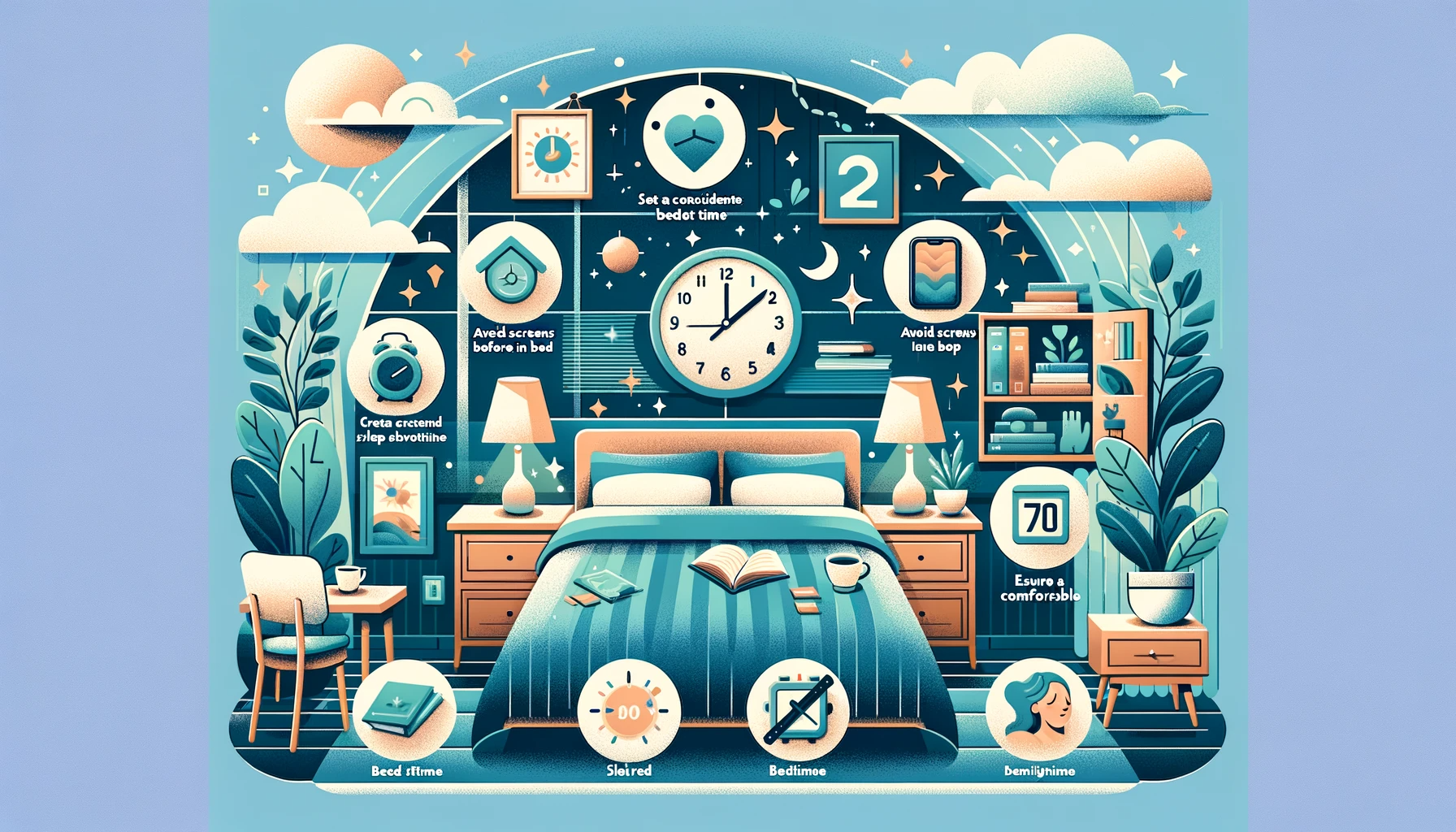
Research suggests that a lack of sleep increases your stress levels, so if anything, a solid night’s sleep can truly help anxiety and stress disorders
The impact of vitamin and mineral deficiencies on stress
– Vitamin B complex
Fatigue and low energy may lead to increased stress rates. Also, we are more prone to irritable behavior if we’re low on energy.
This is why the B vitamins, widely recognized for helping retain healthy energy levels and enhance cognitive capacity, may have a beneficial impact. Clinical studies show that supplementing with vitamin B will help maintain your energy levels and keep your stress low.
Also, there’s a ton of evidence that shows that using vitamin B supplements can lessen emotional strain and irritable feelings when in anxiety-inducing situations. All in all, vitamin B increases feelings of stability and promotes calmness. If you’re looking to change your lifestyle in a more positive, energetic direction, supplementing with vitamin B is the right way to go.
– L-theanine
Theanine is a component commonly found in green tea and black tea. It has been shown to relieve anxiety and help with optimal body to function.
L-thenanine helps to boost GABA levels in the brain (GABA is an essential neurotransmitter that assists in sending messages between the brain and the nervous system). This can reduce anxiety for many individuals.
Studies have shown an improvement in alpha waves in the brain with people who supplement with L-theanine, the increase can help to induce a sense of tranquility, yet without causing drowsiness.
– Magnesium
It is commonly known that magnesium is a mineral essential for the functioning of the muscles and nerves. Many studies have shown that magnesium is essential for sleep, and consequently, supplementation helps you sleep better. A 2012 research done by the National Institute of Health determined that magnesium supplementation increases the overall quality of sleep.
We’re all well-aware of the frustration that comes with irregular sleep, but supplementing with magnesium can be a useful way to counteract these problems.
Supplementation for Stress Reduction
Research shows that chronic stress impacts our physical well-being, emotional health, and how long we live. Emotional stress, in particular, is extremely dangerous. While stress is pervasive, its effects can be mitigated in ways. In addition to daily mindfulness or popular deep breathing and meditation techniques, a balanced diet and sufficient exercise, some natural remedies and vitamins have been shown to help reduce stress and its negative impacts.
Outlined below are the various health benefits of 5 herbal supplements that have proven to be extremely useful at reducing stress and several other pervasive ailments.
1. Ashwagandha
Ashwagandha ‘s background of classical ayurvedic medicine is storied. The whole plant has beneficial properties, from roots to seeds, particularly when it comes to reducing stress.
Clinical studies show that although the benefits of Ashwagandha are wide-ranging, it is a solid performer for reducing our daily stress levels. A particularly interesting 2017 study showed a 44% decrease in stress levels after taking Ashwagandha, compared to a 5.5% decrease in the placebo group. Also, as a symbol of its powerful stress reduction properties, a 2012 clinical experiment showed impressive stress reduction levels after only 60 days.
2. Chamomile
Chamomile has long been employed as a mild sedative to encourage calmness and lessen feelings of anxiety. In a double-blind, placebo-controlled trial it was found that chamomile is safe and effective alternative therapy for GAD.
Further studies also show show that Chamomile can help improve moderate-to-severe symptoms that are associated with an anxiety disorder, one of the most prevalent chronic psychological disorders.
Furthermore, diffusing chamomile essential oil may help relieve anxiety while making your home smell great.
3. Rhodiola
It is a plant that traces its roots to the arctic parts of Europe and Asia. Historically speaking, it has occupied an important in the world of herbal remedies since around 77 C.E. The primary uses of this plant include energy enhancement, mood improvement, and, most critically, stress reduction.
A 2009 study showed that the plant had reduced stress and increased alertness in doctors on night shifts. We know that night shifts can be incredibly tough and can even take a toll on your mental health, so if it helped them, it could probably help you.
Finally, the most widely researched quality of this plant is its ability to help people deal with fatigue. Fatigue and exhaustion can increase stress, so if this plant is reducing tiredness, it’s helping you fight against stress.
4. Kava Kava
Kava kava (Piper methysticum), also commonly referred to as ‘kava,’ is a tropical shrub native to the South Pacific Islands and a member of the nightshade family. Kava kava has been used centuries as a ceremonial drink during rituals, social get-togethers and to encourage relaxation.
The primary active component of this plant (making up 3-20% of the root’s dry weight) is kavalactones. Kavalactones have been studied explicitly for their stress-reducing and anxiolytic properties. They are thought to inhibit the breakdown of GABA, a neurotransmitter that reduces the activity of your nervous system, creating a calming effect and diminishing stress levels.
Kava kava has also shown to be an effective sleep aid, making it a popular alternative to addictive sleep medications.
5. Valerian Root
Valerian Root is a plant native to Europe. Its benefits include reducing nervousness, anxiety, and sleep disturbances. Moreover, empirical evidence suggests that valerian root has powerful stress relieving properties and has been used since the second century A.D.
Also, this plant is renowned for supporting quality sleep because of its sedative effects.
Research suggests that a lack of sleep increases your stress levels, so if anything, a solid night’s sleep can truly help anxiety and stress disorders
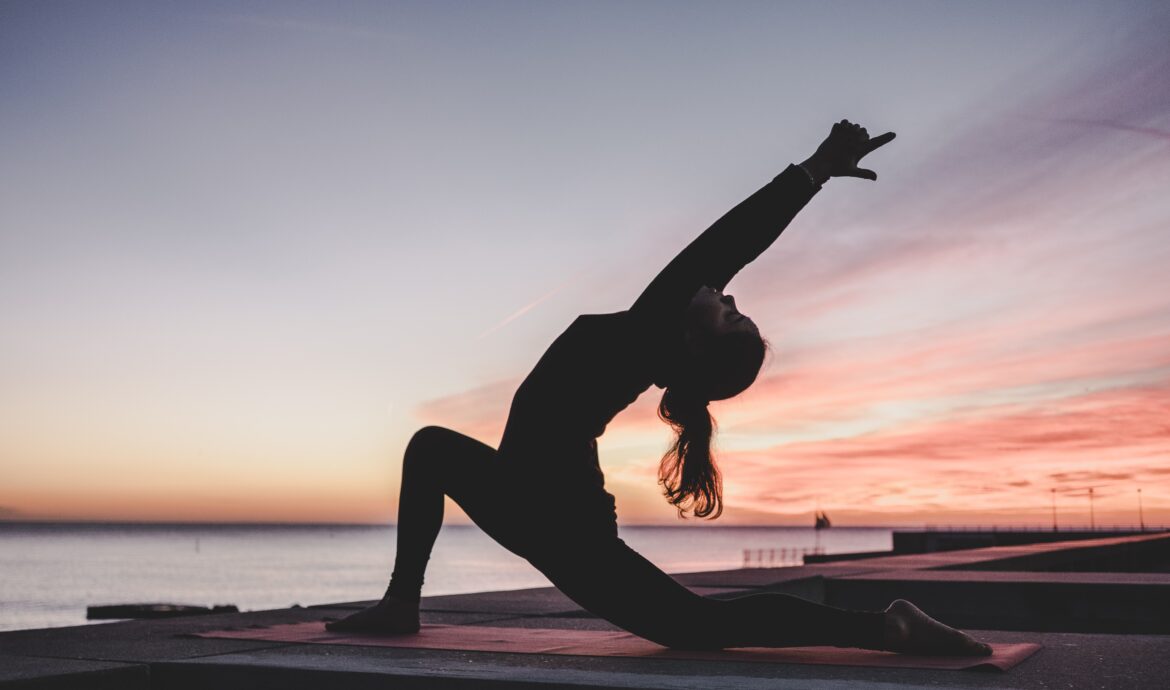 Four easy steps towards overcoming stress
You must recognize that there are three main lines of resistance against stress and tension. These are diet, exercise, and mindfulness. If you try to follow a balanced diet and have a consistent movement and exercise routine, you are far less likely to suffer any stress-related ailments and disorders.
1. Mindfulness
There are a host of engaging and interesting activities you can partake in to develop a healthier routine and to be more mindful, such as breathing practices tailored towards relieving stress. In particular, mindfulness and meditation have proven to help reduce the symptoms of stress and anxiety.
Another tip, is to set time aside each week to plan out daily tasks and expected events. Keeping your calendar and tasks organized can limit unnecessary stress. You can find methods that work best for you, whether that’s using an app or keeping a planner to manage your schedule efficiently.
2. Make time for exercising
Engaging in physical activity can enhance your stress resilience. During a work-out, the body releases chemicals such as endorphins, which can elevate mood and decrease anxiety. The suggested amount of exercise for adults is at least 150 minutes (2.5 hours) of moderate-intensity each week to reap the numerous health benefits exercise has to offer.
3. Try “unplugging” and connecting with nature
If you’ve overwhelmed by the daily events of your life, you may want to “unplug” for a little while. Consider a 24 or 48 hour social network pause. Research in 2011 found that detaching from work-related contact during non-work periods was favorably correlated with employees’ recuperation and well-being.
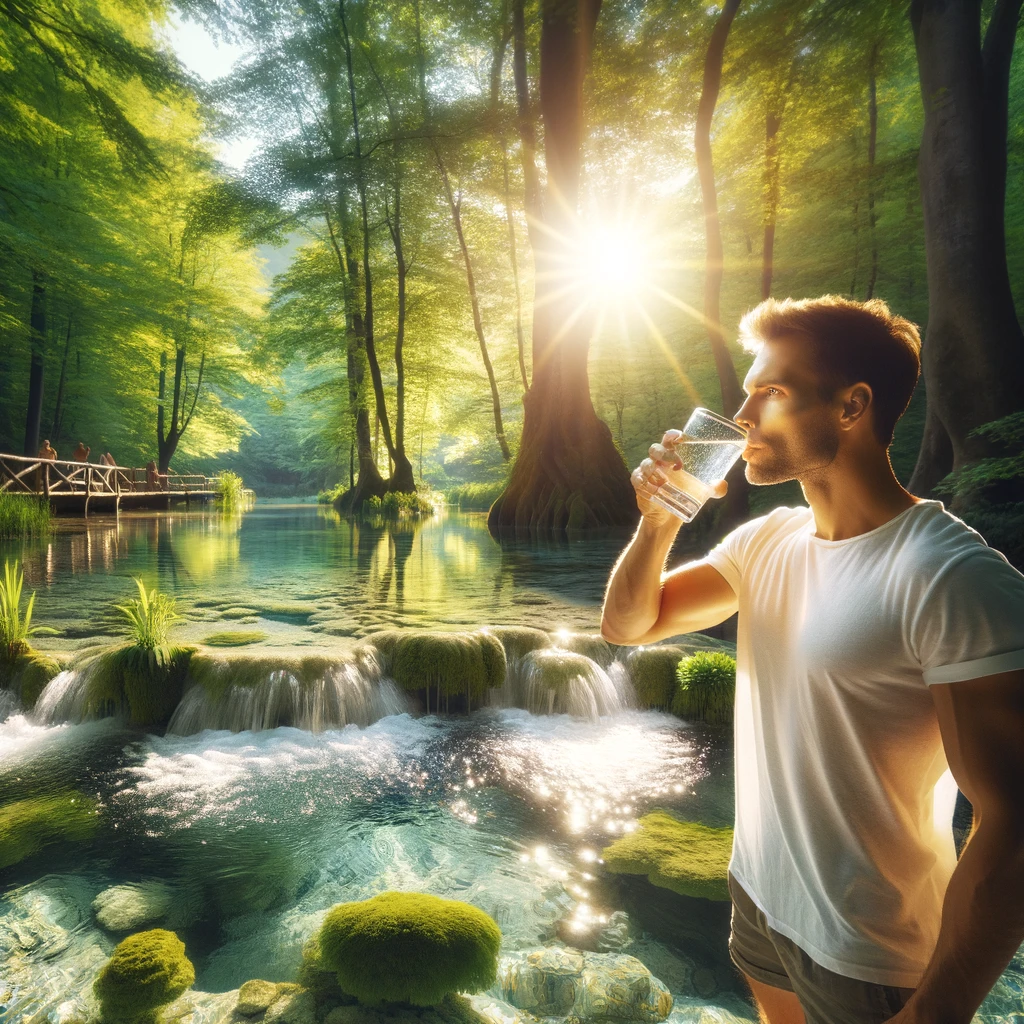
An emerging body of science indicates the restorative power of natural environments and settings. A manifestation of this could mean immersing yourself in your favorite hobbies, a nice day at the local park, or maybe an outdoor experience. Alternatively, you could incorporate natural elements into your office or home, such as plants.
Live your best life
We recognize that even those who meditate, drink tea, exercise, and eat healthy will face stress. It’s a part of living an active and full life. That being said, if you supplement strategically with plants and vitamins, which are scientifically proven to reduce your anxiety and boost your energy, you will set yourself up for success.
Consult your health care professional, or take a routine online assessment if you want personalized advice and supplement plans tailored to your specific requirements.