


The global organic olive oil market is projected to reach a value of $2.2 billion by 2031, growing at a remarkable CAGR of 8.9% from 2022 to 2031, according to a recent press release.
Under EU standards, organic olive oil is produced using organic methods, ensuring the absence of chemical-synthetic fertilizers, plant protection agents, and soil herbicides in the cultivation process. This commitment to organic farming practices has significantly contributed to the growing popularity of organic olive oil.
The key findings of the study on the global organic olive oil market reveal its substantial growth potential. The market size was valued at $932.6 million in 2021 and is projected to reach $2,183.3 million by 2031, with a robust CAGR of 8.9% during the forecast period. Extra virgin olive oil emerged as the leading product category, contributing $738.7 million in 2021, and expected to reach $1,735.8 million by 2031, demonstrating a CAGR of 9.0%.
Among the end users, the food service segment held the highest market share, accounting for $359.5 million in 2021 and projected to reach $877.6 million by 2031, with a CAGR of 9.4%. B2B suppliers were the dominant sales channel, contributing $357.4 million in 2021, and estimated to reach $803.5 million by 2031, with a CAGR of 8.5%.
Geographically, Europe emerged as the leading revenue contributor, with $332.9 million in 2021 and an estimated market value of $742.3 million by 2031, exhibiting a CAGR of 8.4%. These findings highlight the significant growth potential of the organic olive oil market and provide valuable insights for industry stakeholders and investors.
One of the key factors driving the organic olive oil market is the shifting consumer preferences and consumption patterns. Increasingly, consumers are gravitating towards organic products due to their perceived health and environmental benefits. Organic olive oil, with its natural cultivation methods, is viewed as a healthier alternative to conventional olive oil. This change in consumer behavior is expected to fuel the demand for organic olive oil in the coming years.
The COVID-19 pandemic initially posed challenges for the organic olive oil market. Strict lockdown measures and travel restrictions disrupted manufacturing facilities and supply chains, leading to labor shortages and supply disruptions. However, as the world adjusts to the new normal and lockdown restrictions ease, the organic olive oil market is witnessing a resurgence. The demand for extra virgin olive oil, known for its health benefits, is projected to experience rapid growth as it is believed to assist in building and boosting immunity against the COVID-19 virus.

Several factors contribute to the growth of the organic olive oil market, including the rapid expansion of the food and beverage, cosmetic, and personal care industries, particularly in developing countries. The increased awareness of the benefits of organic olive oil and the growing preference for organic products are also driving market growth. Major players in the global organic olive oil market include Borges International Group, Colavita LLC, Deoleo, S.A., Melissa Kikizas, Minerva Foods, Monini, Olinexo, Nutrinveste SGPS, SA, Pompeian, Inc., and United Olive Oil Import Co.

The market is segmented based on product, end user, sales channel, and region. Extra virgin olive oil and virgin olive oil are the main product categories. Extra virgin olive oil, renowned for its superior quality and flavor, dominates the market and is highly favored by consumers. The end users of organic olive oil encompass food processing, food service, cosmetics and personal care, pharmaceuticals, and others. Sales channels include B2B suppliers, hypermarkets/supermarkets, grocery stores, online retail, and others.
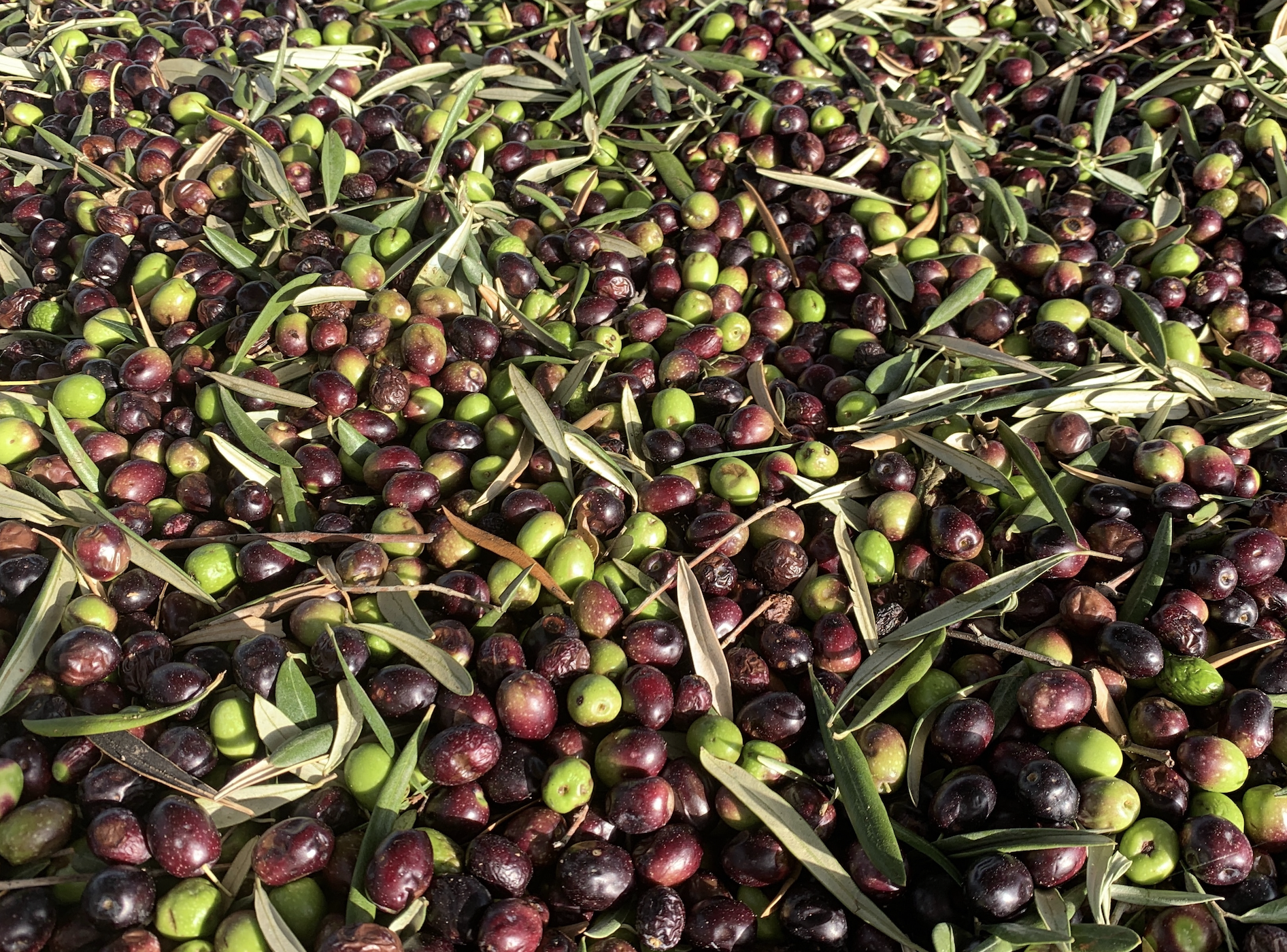
Europe currently holds the largest share of the organic olive oil market, driven by aggressive business practices and increasing consumer awareness. Countries such as France, Germany, and the UK are at the forefront of the demand for organic olive oil, promoting global expansion. The growing urban population, rising disposable income, and improving living standards further contribute to the market’s growth in Europe.
In conclusion, the global organic olive oil market is experiencing remarkable growth driven by the rising demand for organic products and the perceived health benefits associated with organic olive oil. As consumers become more conscious of their well-being and environmental impact, the market is expected to expand further. The adoption of organic farming practices and the availability of organic certification ensures the quality and authenticity of organic olive oil products. With key players actively participating in the market, the future looks promising for the organic olive oil industry.