

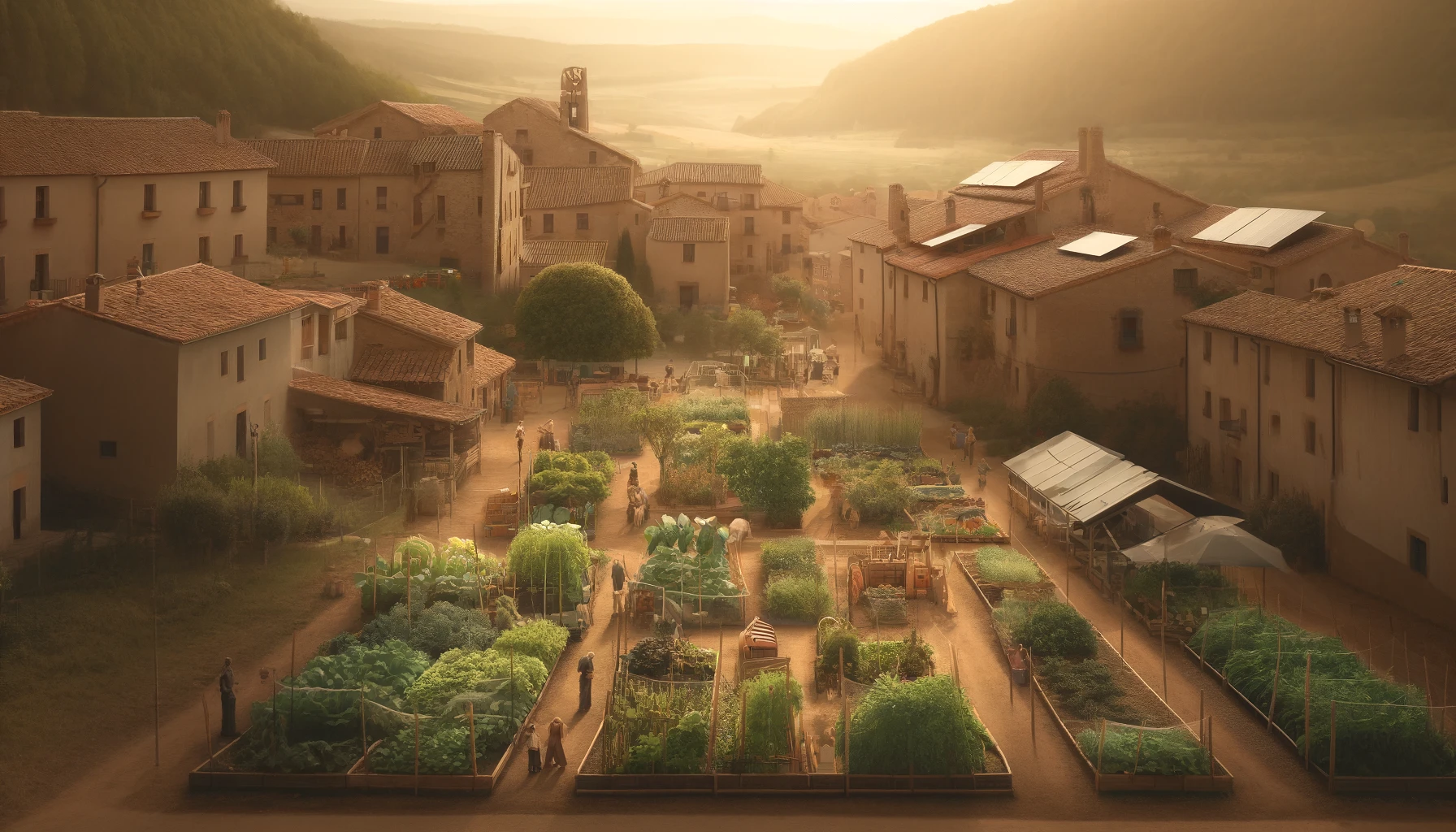
Across Europe, local communities in both rural and urban areas are emerging as pivotal forces in the transformation of food systems. While national and EU-level policies often fall short, these grassroots efforts highlight the potential for substantial change driven by localized initiatives. The growing movement underscores the urgent need for an integrated EU rural-agri-food framework to support and amplify these transitions.
Local communities have taken it upon themselves to address the gaps left by insufficient national and EU policies. These initiatives range from urban gardens and farmers’ markets to cooperative farms and sustainable fishing practices. They are not only addressing immediate food needs but are also fostering resilience and sustainability within their regions.
For example, in rural areas, farmers are increasingly collaborating to form cooperatives that prioritize organic and regenerative farming practices. These cooperatives often bypass traditional supply chains, selling directly to consumers and local businesses. This not only ensures fair prices for farmers but also provides consumers with fresh, locally-produced food.
In urban areas, community gardens and urban farming projects are on the rise. These initiatives, often led by local residents, schools, and non-profits, transform vacant lots and rooftops into productive green spaces. They provide city dwellers with access to fresh produce, enhance urban biodiversity, and create a sense of community and connection to the food they eat.
Despite the success of these grassroots movements, they face significant challenges. One of the primary obstacles is the lack of support from national and EU policies that are often more focused on industrial-scale agriculture and international trade than on local food systems. This lack of alignment can lead to difficulties in securing funding, navigating regulatory requirements, and gaining access to necessary resources and infrastructure.
For instance, small-scale farmers and urban gardeners often struggle with land access and ownership issues. Urban farmers, in particular, face high land costs and competition with developers. Rural farmers, on the other hand, may find it difficult to compete with larger, industrial farms that benefit from subsidies and economies of scale.
Additionally, there is a need for more robust support networks and training programs. While some regions have established successful models of local food systems, others lack the knowledge and expertise needed to replicate these successes. Training in sustainable farming techniques, business management, and cooperative organization is essential for empowering more communities to take control of their food systems.
An integrated EU rural-agri-food framework could play a crucial role in addressing these challenges and supporting local initiatives. Such a framework would need to prioritize small-scale and sustainable farming practices, provide financial and technical support to local food projects, and promote policies that ensure fair access to land and resources.
One potential approach is the development of a comprehensive policy that aligns agricultural, environmental, and social objectives. This would involve integrating rural development policies with food system strategies, ensuring that they are mutually supportive and reinforcing. For example, agricultural policies could incentivize regenerative farming practices that improve soil health and biodiversity, while rural development policies could focus on building infrastructure and support networks for local food initiatives.
Furthermore, there needs to be a concerted effort to streamline regulations and reduce bureaucratic hurdles for small-scale farmers and food producers. Simplifying processes for organic certification, land use approvals, and direct-to-consumer sales would go a long way in supporting local food systems.
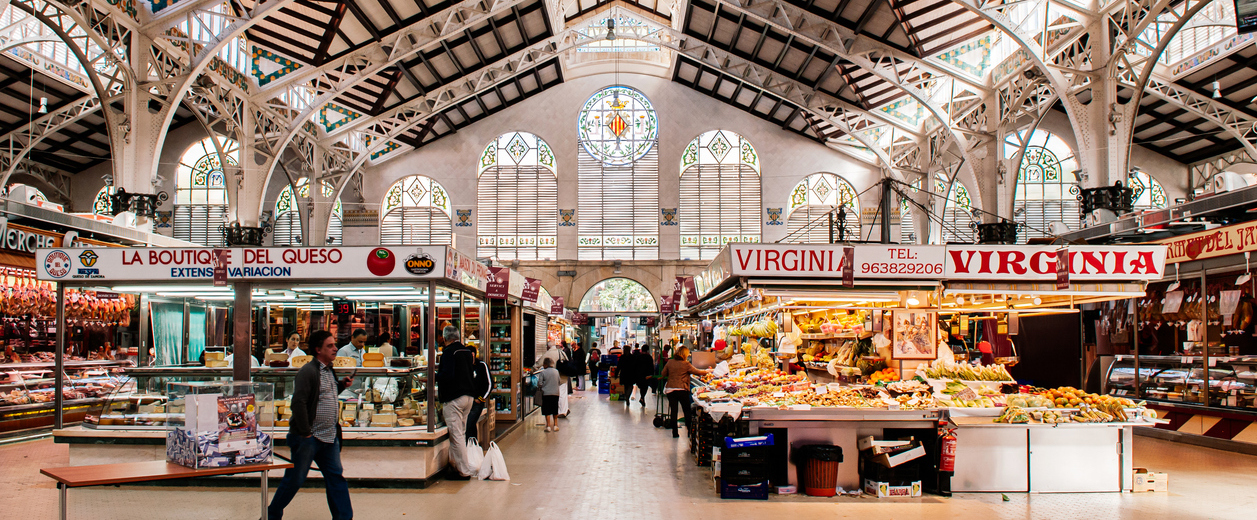
Across Europe, several regions have successfully implemented local food systems that can serve as models for others. These examples demonstrate the potential of grassroots initiatives and the importance of supportive policies.
In Spain, the Basque Country’s local food system is a testament to the power of community-driven initiatives. The region has implemented policies that support small-scale farmers, promote organic agriculture, and facilitate direct sales to consumers. This has led to a thriving local food economy that benefits both producers and consumers.
In Italy, the city of Milan has pioneered urban agriculture through its “Milan Food Policy.” This initiative includes the creation of community gardens, the promotion of sustainable food practices in schools and public institutions, and the establishment of farmers’ markets. The policy has been successful in increasing local food production, improving access to fresh produce, and fostering a culture of sustainability within the city.
In the UK, the city of Bristol has developed a “Good Food Plan” that integrates food production, distribution, and consumption with sustainability goals. The plan includes support for urban farms, local food businesses, and community-led initiatives, as well as policies aimed at reducing food waste and promoting healthy eating.

While local communities are leading the charge in transforming food systems, it is not too late for an integrated EU rural-agri-food framework to support these efforts. Such a framework should prioritize sustainability, resilience, and equity, ensuring that all communities have the resources and support they need to develop and maintain robust local food systems.
Key elements of this framework should include:
Financial Support: Grants and subsidies for small-scale and sustainable farming practices.
Technical Assistance: Training programs and advisory services to help local food initiatives thrive.
Regulatory Reform: Simplifying and harmonizing regulations to reduce barriers for small-scale producers.
Land Access: Policies to ensure fair and equitable access to land for farming and urban agriculture.
Community Engagement: Encouraging public participation in food system planning and decision-making.
By learning from successful models and fostering collaboration between local, national, and EU levels, Europe can create a food system that is resilient, sustainable, and equitable. The efforts of local communities demonstrate that significant change is possible, and with the right support, these initiatives can be scaled up to benefit the entire continent.