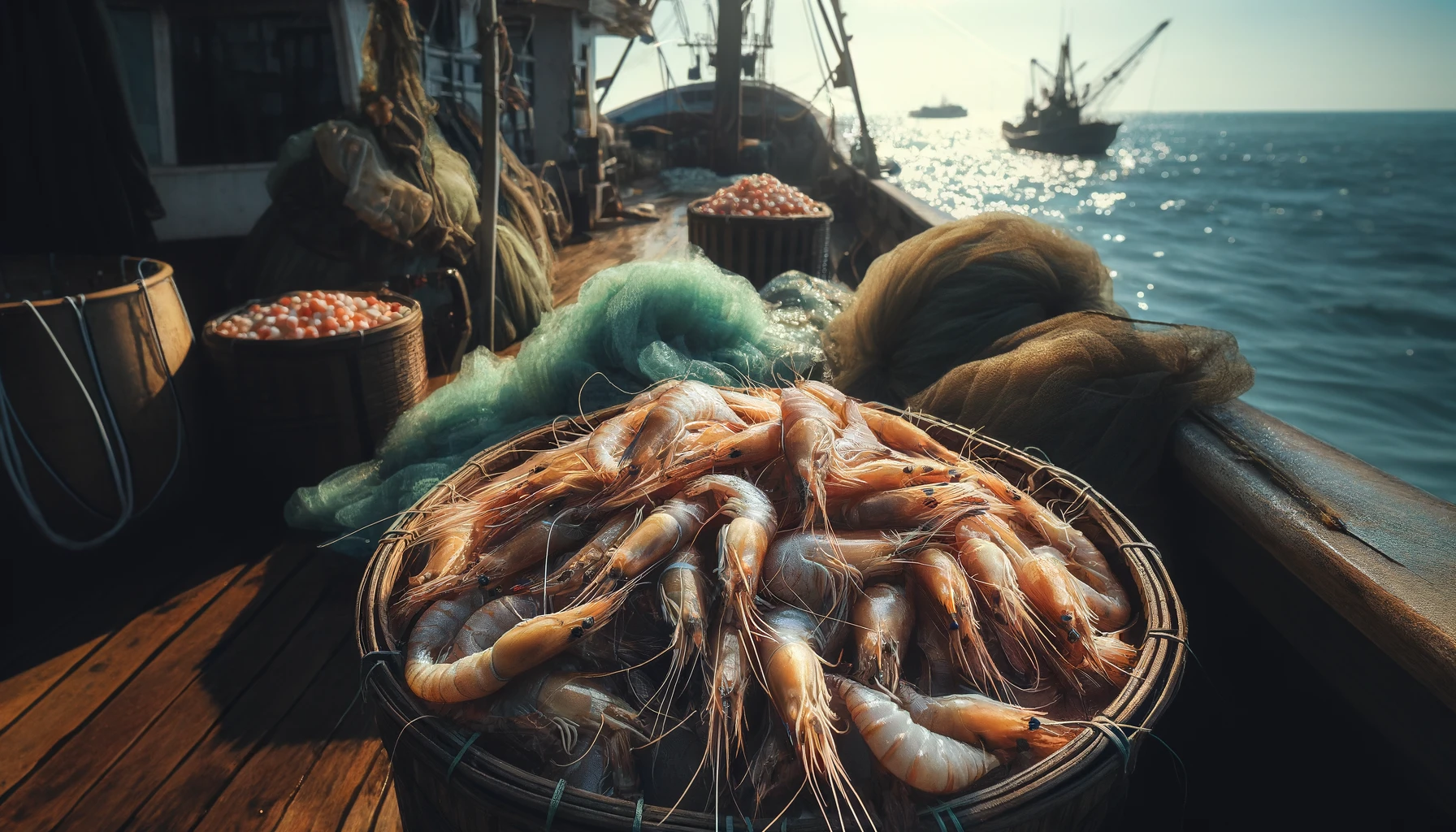

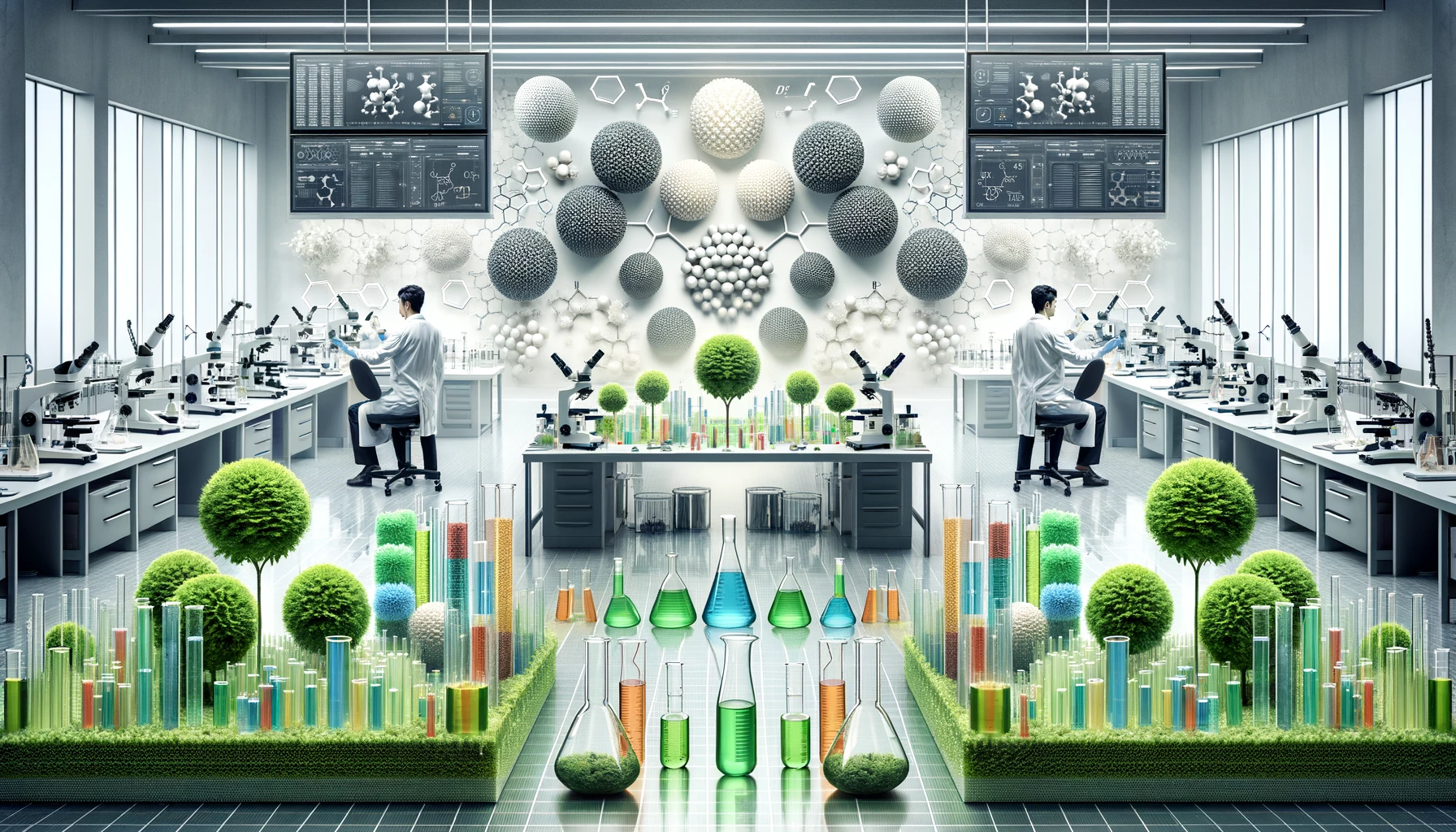
Plastic, once lauded as a marvel of the modern age, has become indispensable in various facets of daily life, from packaging to furniture to technology. Originating from refinery byproducts during the oil boom of the 1950s, plastic’s journey from innovation to ubiquity underscores its mouldability, durability, and versatility. To date, the world has produced approximately 8 billion metric tons of plastic, a testament to its widespread use and utility.
The environmental toll of plastic production and disposal is staggering. Of the 8 billion metric tons produced, over 5 billion metric tons have accumulated in landfills and natural environments, contributing significantly to ocean pollution. The durability that renders plastic so useful in applications ranging from packaging to construction also makes it a persistent environmental pollutant. Its longevity in the environment leads to widespread ecological impacts, affecting wildlife and ecosystems.
The initial promise of plastic lay in its transformative potential. It revolutionized industries by improving energy efficiency in technology and insulation and extending the shelf life of perishable goods.
Eleftheria Roumeli, a physicist and co-author of a 2023 study on sustainable polymers, emphasizes that plastic’s contributions to modern advancements should not be overlooked. Instead of demonizing plastic, Roumeli argues for the development of sustainable polymers that retain the beneficial properties of conventional plastics while minimizing environmental impact.
Transitioning to Sustainable Polymers
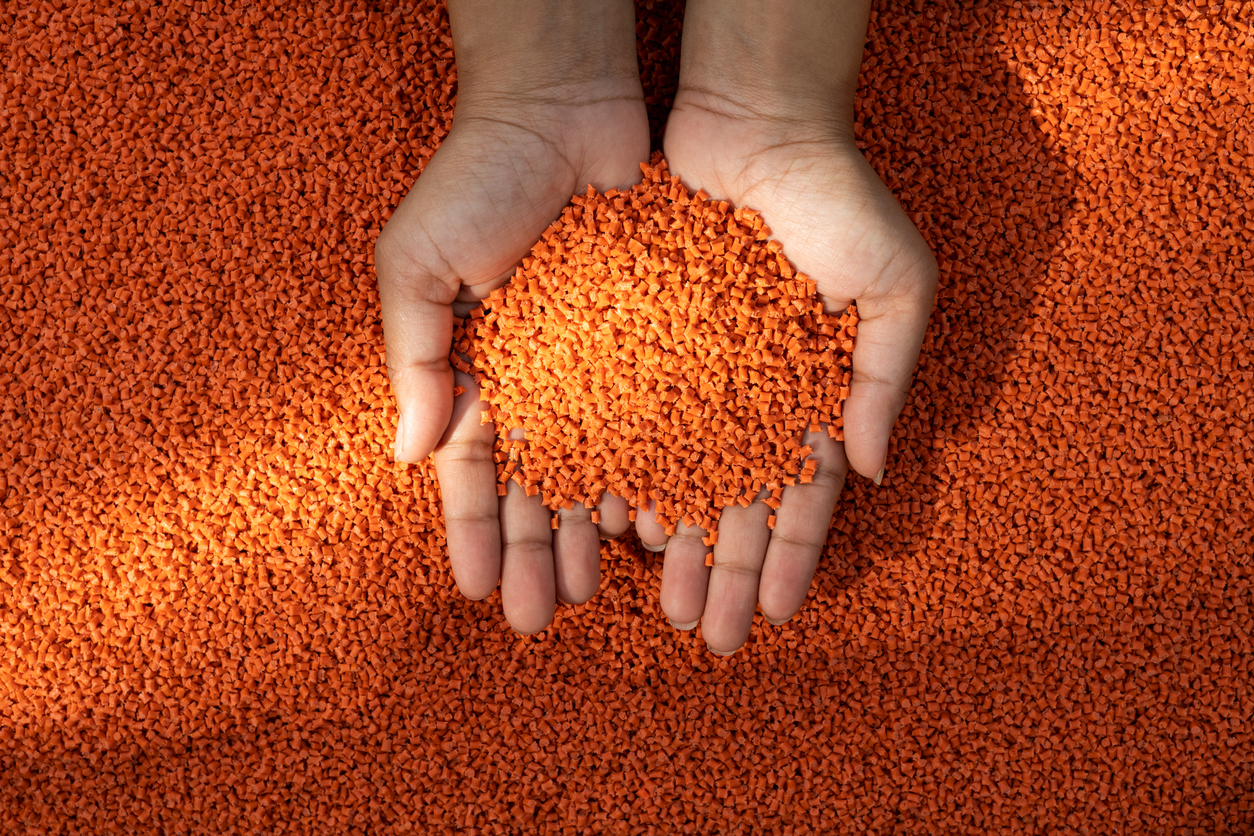
The shift towards sustainable plastics necessitates a fundamental rethinking of plastic production, moving from petroleum-based materials to biologically-based alternatives. Historically, plastic production involved converting petroleum-derived monomers into polymers, enhanced with various additives for desired properties. Modern research is exploring the use of biomaterials such as mycelium and algae to create plastics, potentially reducing dependence on fossil fuels, which are expected to increase in usage by 2050.
Companies like Braskem are leading the way by experimenting with sugar-derived polyethylene, which offers the environmental benefit of carbon sequestration during the growth phase of sugarcane. However, a significant challenge remains: these bioplastics are not necessarily biodegradable, meaning they can still accumulate in the environment.

Experts emphasize the need for clear definitions and regulations regarding terms like “bioplastic” and “biodegradable” to avoid confusion and misconceptions. True sustainability may rely on developing materials that are both biobased and fully compostable, allowing them to return harmlessly to the ecosystem.
Innovations in bioplastics include the use of natural polymers and direct biological materials, bypassing traditional production stages. These materials aim to degrade naturally without leaving harmful residues. The economic and scalable production of these new materials presents significant challenges, as they often do not integrate seamlessly into existing manufacturing infrastructures and may initially be more costly.
Despite these hurdles, there is optimism in the scientific community that sustainable practices will eventually align with economic feasibility. This alignment is driven by a more comprehensive accounting of the environmental costs associated with traditional plastics. As environmental pressures increase, the urgency for innovative solutions in material science becomes more pronounced.
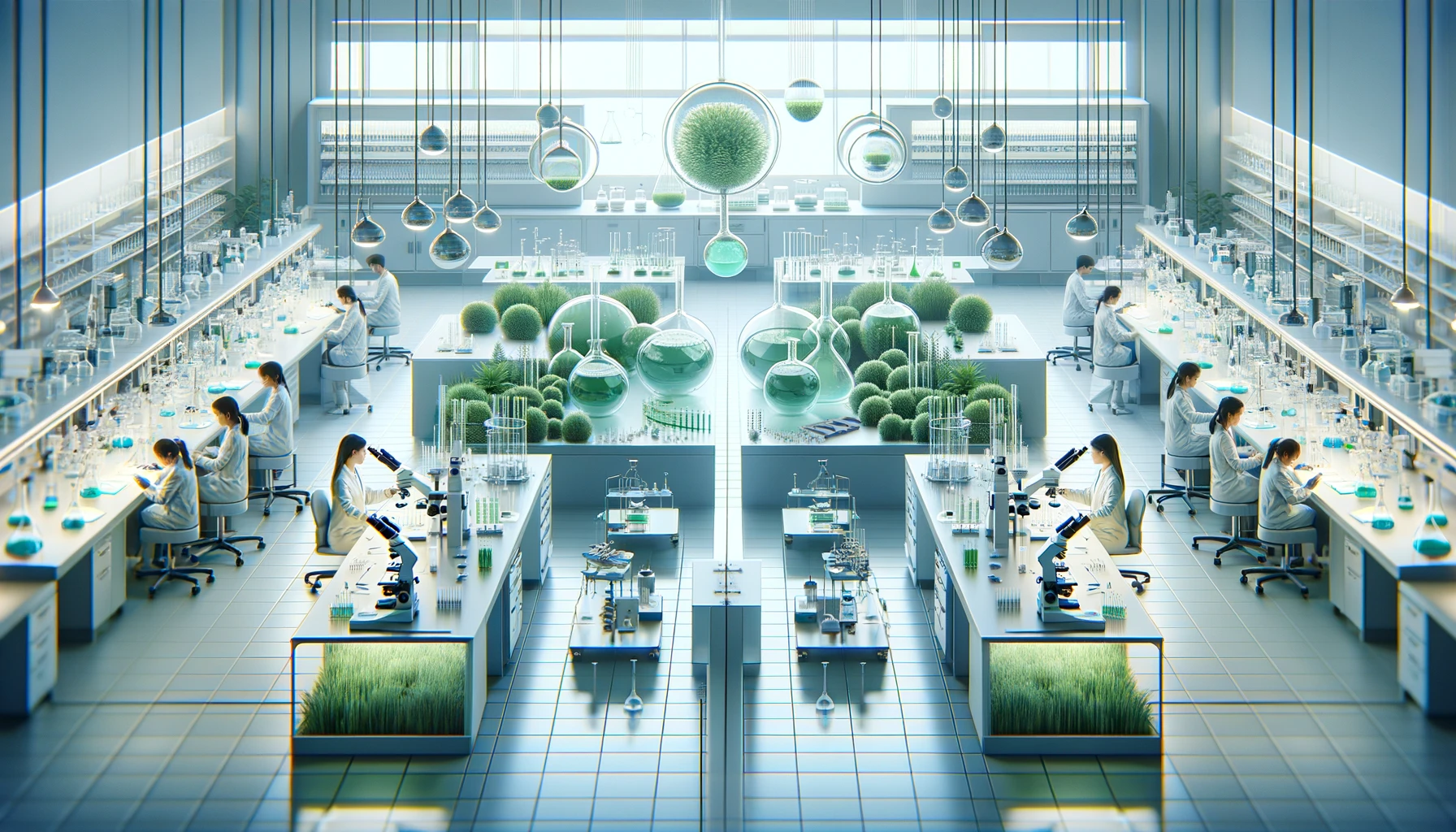
The journey towards sustainable plastics is complex and multifaceted, requiring innovation, regulation, and a fundamental shift in production methodologies. The potential to create polymers that are both functional and environmentally friendly represents a significant advancement in material science. As research progresses and sustainable practices become economically viable, the hope is that the world will transition to materials that benefit both humanity and the planet. This transformation is crucial in addressing the environmental crises exacerbated by traditional plastic production and disposal.
This overview is based on insights from Knowable Magazine, an initiative dedicated to disseminating scientific knowledge broadly, highlighting the pressing need for sustainable innovations in the realm of plastics.