


In a world facing escalating climate crises and volatile agricultural markets, the concept of regenerative agriculture emerges as a beacon of hope. With cocoa prices doubling due to extreme weather in West Africa and Florida’s citrus industry struggling from intensifying hurricanes and diseases, the agricultural sector’s instability is palpable. These challenges are beginning to impact staple crops like corn, rice, and wheat, potentially leading to widespread food insecurity, economic downturns, and political instability.
Modern agriculture contributes approximately 20% of global greenhouse gas emissions, with practices like the overuse of fertilizers causing marine dead zones and extensive monocultures leading to biodiversity loss. These factors drive the urgent call for a transformative shift towards regenerative farming. This approach promises environmental benefits and presents economic and social advantages, offering a sustainable pathway forward.
Regenerative agriculture is both a process and an outcome aimed at rebuilding soil health, protecting water resources, restoring biodiversity, and strengthening communities. Techniques such as growing cover crops and integrating mixed farming systems like agroforestry and livestock production have shown significant promise. These methods enhance soil fertility, improve water retention, and increase biodiversity, creating a more resilient agricultural system.
Financially, regenerative practices can be beneficial. After an initial transition period, farmers may see up to a 25% return on investment due to reduced input costs and lower risks. The growing interest in regenerative agriculture is reflected in the substantial investments flowing into the sector, demonstrating its potential for widespread adoption.
Yet farm-level regenerative management is just the beginning. The scale of environmental and social crises demands a more holistic approach, such as Integrated Landscape Management (ILM). ILM involves long-term, place-based partnerships between farmers, businesses, environmental organizations, local governments, communities, and indigenous peoples. These collaborations can address the complex interplay of agriculture with water, biodiversity, climate, and societal needs.

One strategic response is the rise of new long-term, place-based partnerships between farmers, businesses, environmental organizations, local governments, communities, and indigenous peoples. We have learned there are four ways that such collaboratives can accelerate the regenerative transition. First, such partnerships can achieve more ambitious goals by uniting efforts across the landscape. Second, landscape actors can coordinate efforts to steward the larger ecosystems they rely on for food production, healthy lives and thriving nature. Third, partnerships can mobilize strategic allies beyond food and agribusiness sectors to accelerate food-system transformation, such as those working in tourism, nutrition, disaster preparedness, water and biodiversity who benefit from the regenerative transition. Fourth, they provide an ongoing platform for collaboration and innovation to manage the complexity, risks and costs of transitioning to regenerative practices.
For example, in Ohio, the Smart Agriculture partnership exemplifies how a collaborative landscape approach can address both agricultural and environmental challenges. The initiative aims to make Ohio’s food system a state priority, diversify and sustainably intensify production, and implement climate-smart agriculture to reduce agricultural runoff. This holistic strategy addresses crop losses, environmental degradation, and household food insecurity, showcasing the potential of ILM to drive substantial change.
ILM is about building strong, locally led partnerships that generate trust and shared understanding of natural and socioeconomic processes. These partnerships can develop long-term transformation strategies and adaptive action plans that promote synergies between public, private, and community projects. ILM extends the benefits of regenerative practices from individual farms to entire regions, creating resilient and sustainable landscapes.
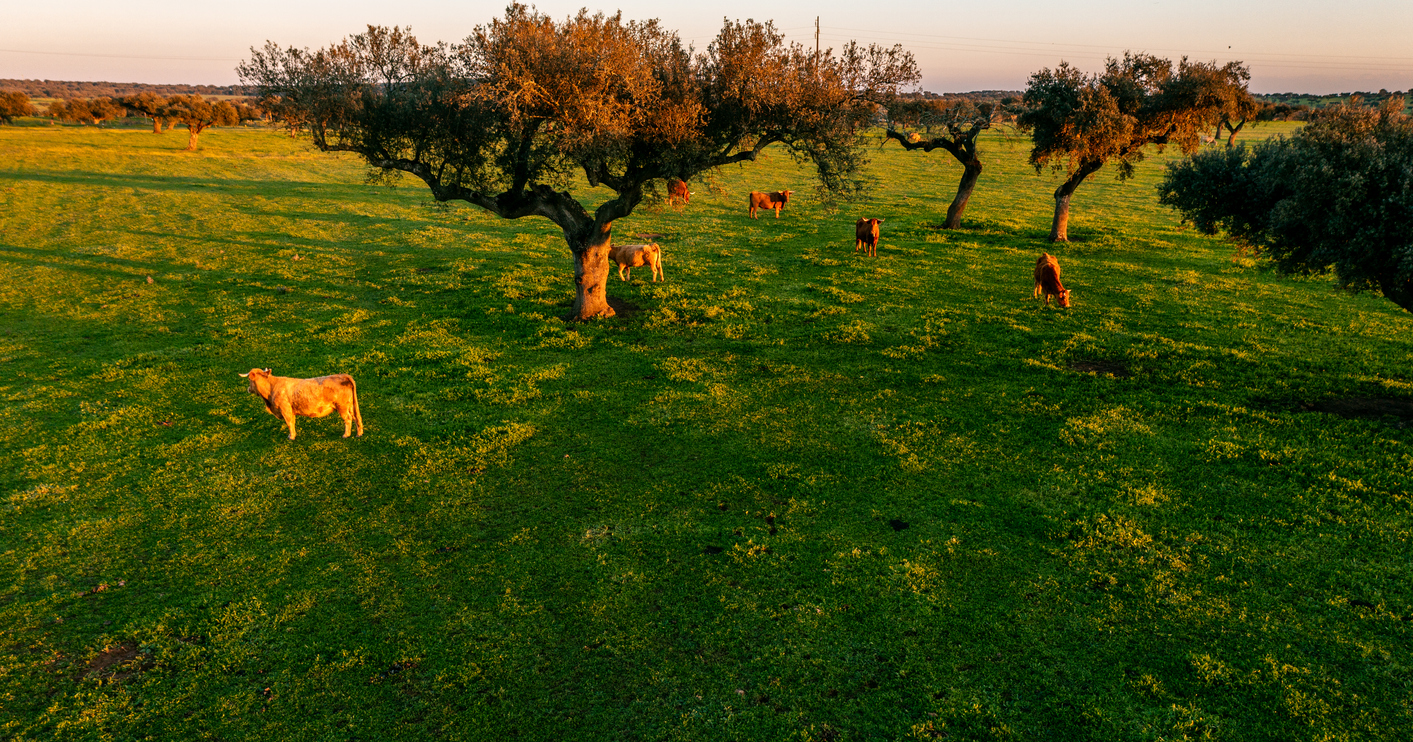
The economic case for landscape-scale regeneration is compelling. For instance, in Germany, regenerative practices could boost farmers’ profits by over 60% and generate significant socio-ecological benefits. Globally, investing in regenerative agriculture could return over $10 trillion on a $700 billion investment over the next 30 years, while mitigating nearly 170 gigatons of carbon dioxide emissions. Coordinated efforts across landscapes can also enhance profits and reduce investment risks by linking agricultural projects with complementary sectors like tourism, infrastructure, and nature restoration.
Increasing compliance demands, especially from the European Union on climate and deforestation, are pushing companies towards sustainable practices. This shift aligns with the goals of ILM, providing a strong business case for adopting regenerative agriculture. A new landscape finance industry is emerging to capitalize on these opportunities, offering innovative financial mechanisms to support integrated efforts.
Mainstreaming regenerative agriculture and ILM faces challenges due to the fragmented nature of the sector, the vested interests of intermediaries, and the thin margins on which many farmers operate. Overcoming these hurdles requires government support for landscape partnerships, alignment of national and international policies, and the development of new financial mechanisms. Collective, coordinated action is essential to address climate change, preserve biodiversity, and secure a sustainable future.

Regenerative agriculture and integrated landscape management offer a transformative vision for the future of agriculture. By adopting holistic approaches that integrate environmental, social, and economic considerations, we can create resilient and sustainable food systems. These efforts not only address the immediate challenges of climate change and land degradation but also promote long-term food security, economic stability, and environmental health. Through innovative partnerships and strategic investments, we can harness the power of regenerative practices to build a better future for all.
By adopting regenerative agriculture and integrated landscape management, we can tackle the pressing challenges of our time and build a sustainable future. This holistic approach not only enhances agricultural productivity but also fosters environmental stewardship, social cohesion, and economic resilience. The journey towards a regenerative future is complex, but with collective action and innovative thinking, it is within our reach.