


In a world where climate change discussions are often focused on large-scale industrial emissions, transportation, and deforestation, the latest research targets a surprising new source: cooking food. According to a study conducted by scientists from the National Oceanic and Atmospheric Administration (NOAA), cooking is now being scrutinized for its contribution to air pollution through the release of volatile organic compounds (VOCs).
The study, part of the 2021 SUNVEx field campaign, involved research conducted in mobile laboratories in Las Vegas and Los Angeles. Scientists focused on the emissions of VOCs from cooking, which are known to contribute to poor air quality. VOCs are organic chemicals that have a high vapor pressure at room temperature, leading them to evaporate and enter the atmosphere easily. These compounds can originate from various sources, including household products, industrial processes, and as the study highlights, cooking activities.
The findings indicated that VOC emissions from cooking could account for 10% to 30% of urban VOC levels, making it a significant contributor to air pollution in cities. This revelation has sparked a debate on the practicality and implications of targeting everyday cooking practices as a means to combat climate change.
The response to these findings has been mixed, to say the least. Many people find the idea of regulating cooking emissions to be absurd and impractical. Critics argue that focusing on cooking, a fundamental human activity, diverts attention from more substantial and impactful sources of pollution. The notion that cooking could be restricted or altered in significant ways has been met with skepticism and, in some cases, outright disbelief.
The sentiment is well captured by commentators who question whether studies like these are veering into the realm of the ridiculous. The practical challenges of mitigating cooking emissions without compromising daily life and nutrition seem insurmountable to many.
There is also a broader question of priorities: Should resources and efforts be directed toward reducing cooking emissions when larger industrial sources still pose significant challenges?

To understand why scientists are looking into cooking emissions, it’s essential to grasp the role of VOCs in air quality and climate change. VOCs contribute to the formation of ground-level ozone and secondary organic aerosols, both of which are harmful pollutants. Ground-level ozone is a key component of smog, which can cause respiratory problems and other health issues. Secondary organic aerosols can impact climate by affecting the Earth’s radiation balance and cloud formation.
Cooking activities, particularly frying, grilling, and baking, can release a variety of VOCs. These emissions come from the thermal decomposition of fats, oils, and other organic materials. In urban areas with high population densities, the cumulative effect of cooking emissions from numerous households and restaurants can become a significant source of pollution.
While the idea of reducing cooking emissions might seem far-fetched, there are potential strategies to mitigate their impact without drastically altering everyday life. Improved ventilation systems in kitchens, both residential and commercial, can help reduce the concentration of VOCs indoors and their subsequent release into the atmosphere. Encouraging the use of electric stoves over gas stoves can also make a difference, as electric stoves typically produce fewer emissions.
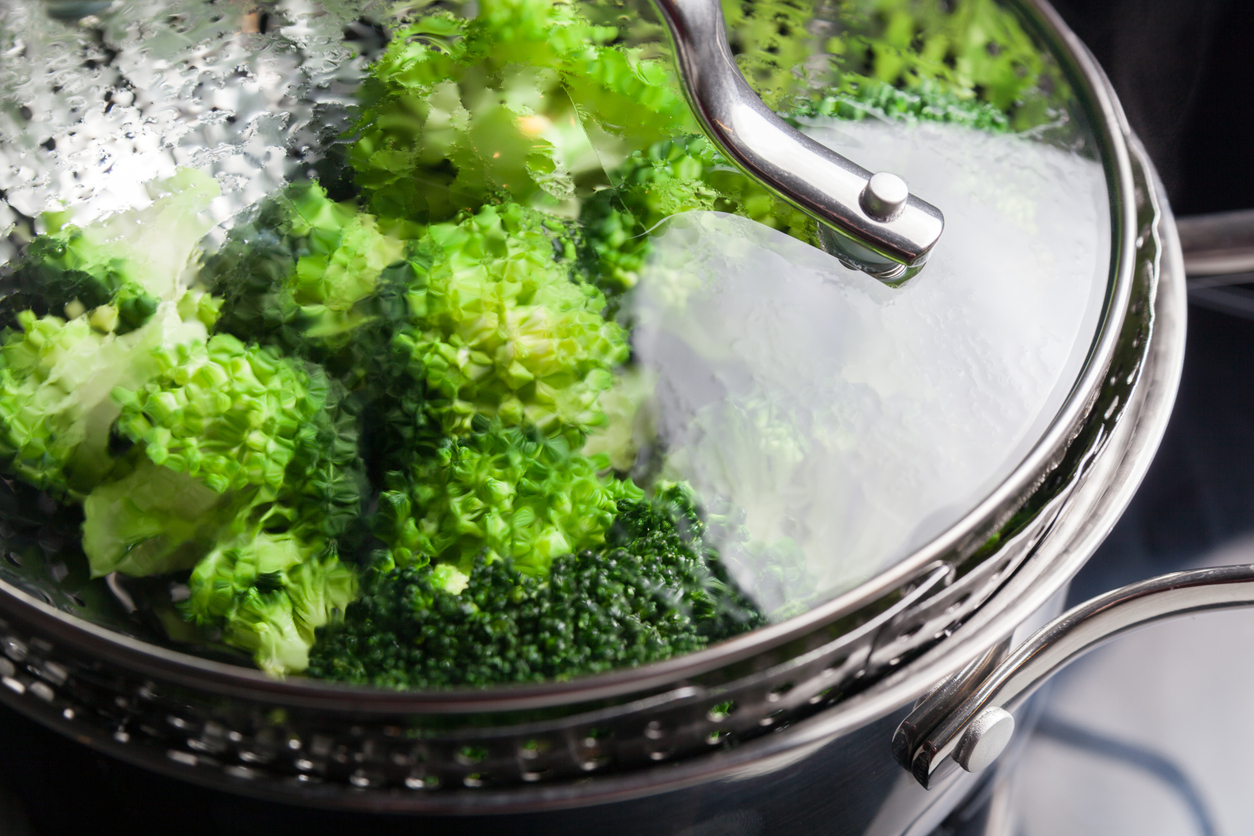
Moreover, public awareness and education about the impact of cooking emissions can lead to small changes in behavior that collectively make a difference. For example, using cooking methods that produce fewer emissions, such as boiling or steaming instead of frying, can help reduce VOC levels. Additionally, promoting the use of cleaner cooking oils and fats can also mitigate emissions.

The discussion about cooking emissions highlights a broader issue in the climate change debate: the need for comprehensive and multi-faceted approaches to tackling pollution. While industrial emissions and fossil fuel consumption remain the primary targets, addressing smaller sources of pollution can also contribute to overall air quality improvements.
However, it is crucial to balance scientific findings with practical considerations. Policymakers and scientists must work together to develop solutions that are feasible and do not place undue burden on the public. The controversy surrounding the focus on cooking emissions underscores the importance of clear communication and public engagement in climate science.
The notion that cooking food contributes to air pollution and climate change is a provocative one. While the science behind VOC emissions from cooking is sound, the practicality of addressing this source of pollution is contentious.
Ultimately, the debate over cooking emissions may inspire further research and dialogue on how to balance everyday activities with the urgent need to protect our planet.