
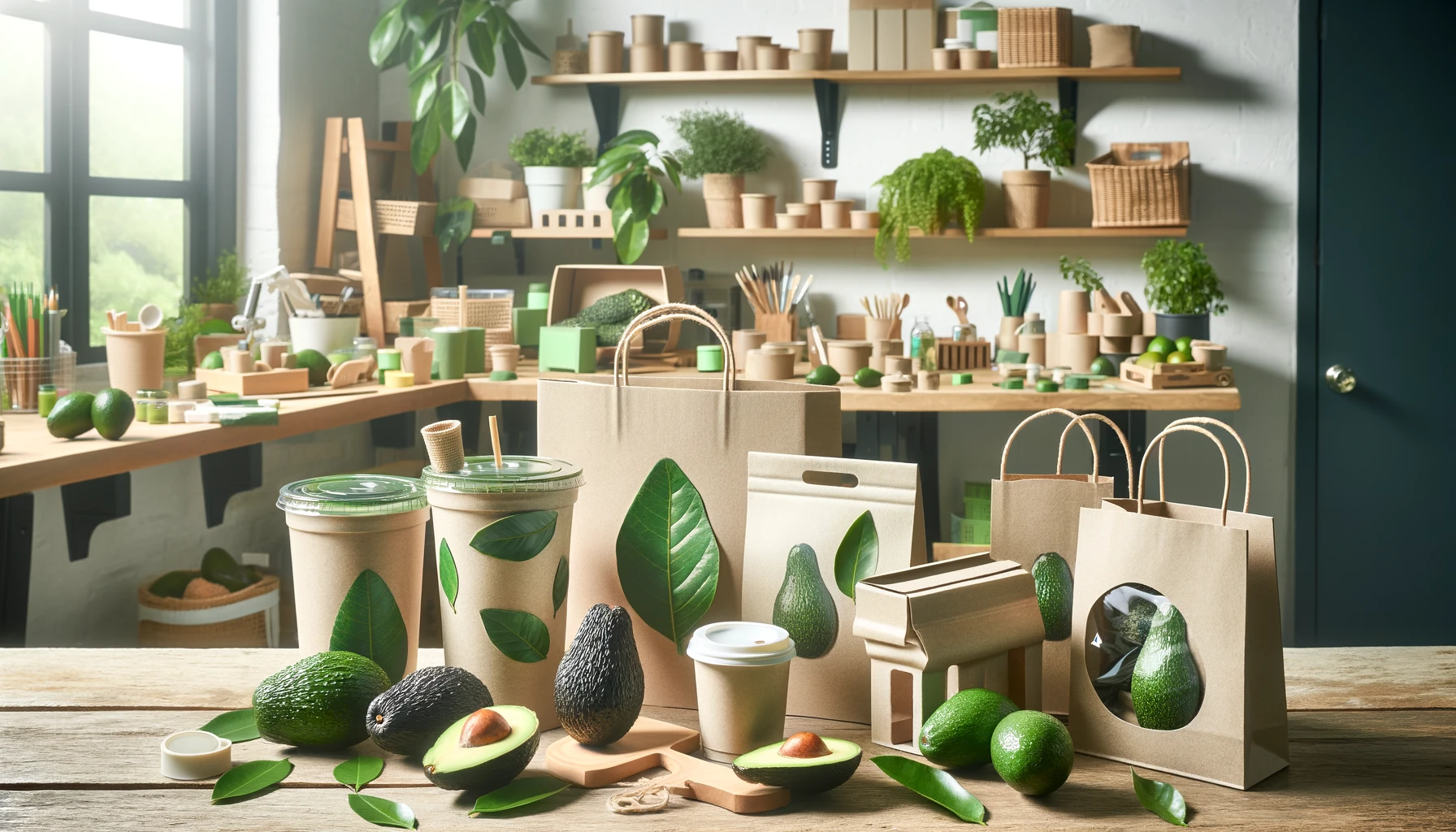
In a groundbreaking study published by the University of Córdoba, in collaboration with the University of Girona, researchers have developed a prototype for a more durable and environmentally friendly food packaging material. This innovative material incorporates cellulose fibers extracted from the branches and leaves of avocado trees, partially replacing traditional bioplastics. This development represents a significant leap forward in the quest for sustainable packaging solutions.
Plastic packaging, despite its utility in preserving food safely and hygienically, poses a substantial environmental threat. Its limited recyclability and short lifespan contribute to significant waste and pollution. For decades, both industry and scientific communities have sought more sustainable alternatives. The latest research from the University of Córdoba provides a promising solution by utilizing agricultural waste that previously had no value—avocado pruning residues.
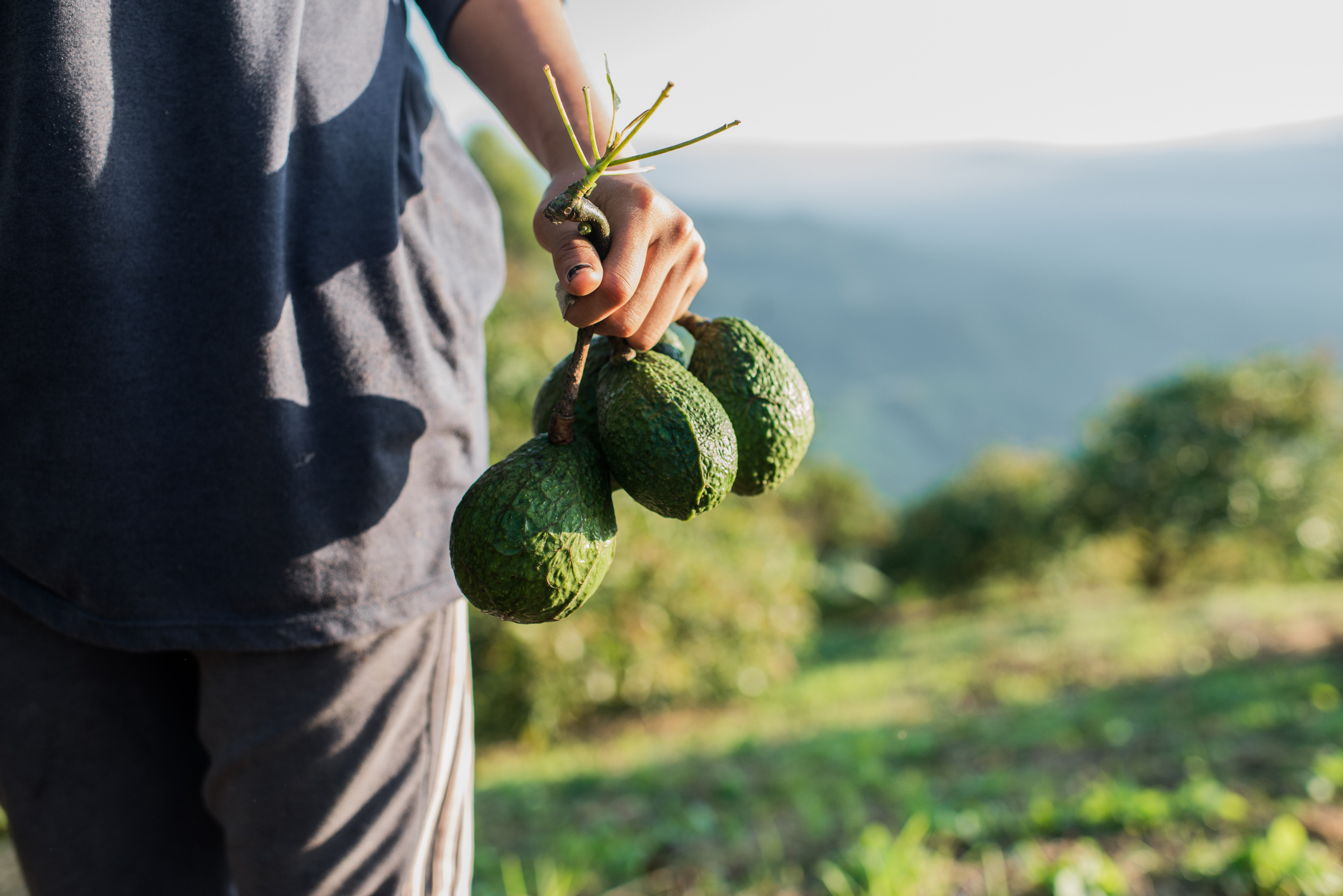
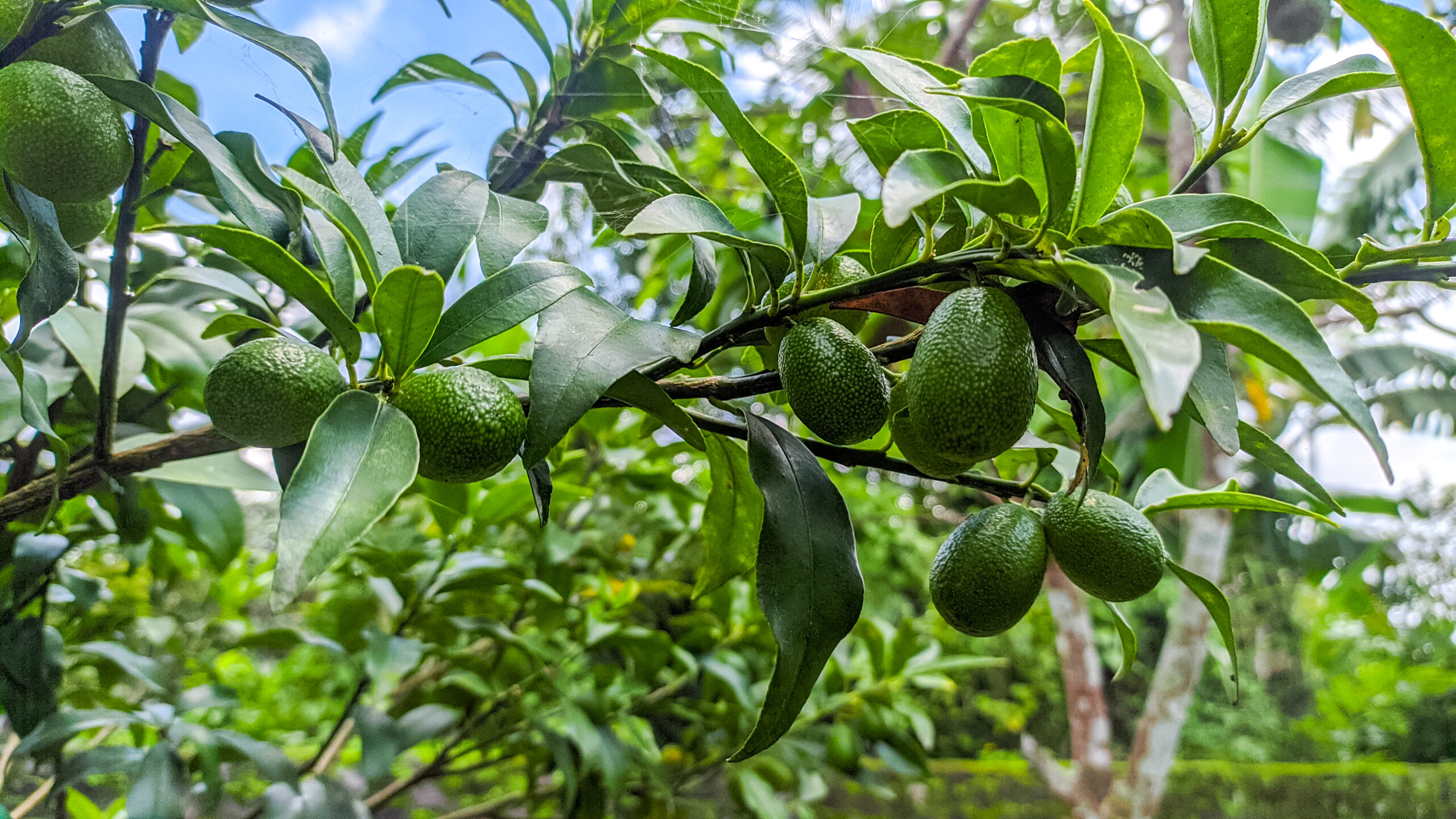
Spain, particularly the Axarquia region of Málaga, leads European avocado production. The pruning of avocado trees generates substantial waste, including branches and leaves. Researchers at the University of Córdoba have developed a semi-chemical and mechanical process to convert this waste into valuable resources. By mixing the leaves and branches with soda, refining, and defibrating them, the team has successfully isolated cellulose fibers from the woody residue of avocado pruning.
The cellulose fibers extracted from avocado pruning residues have been integrated into bioplastics using a compatibilizing agent. This process has partially replaced biopolyethylene, a commonly used bioplastic in the packaging industry. Although biopolyethylene is derived from plant sources, it is not biodegradable. The new composite material significantly enhances the sustainability of food packaging by increasing its biodegradability.
One of the most remarkable attributes of this new material is its enhanced durability. The natural fibers from avocado pruning residues exhibit strong mechanical properties, contributing to a 49% increase in tensile strength compared to traditional bioplastics. This improvement not only extends the lifespan of the packaging but also reduces the need for frequent replacements, further decreasing environmental impact.
Lead researcher Ramón Morcillo and his team are not stopping at improved durability. Their next steps involve exploring other properties of the new material that could benefit the food packaging industry. These properties include potential antimicrobial and antioxidant capacities, which could lead to more specialized and sustainable forms of food preservation. By tailoring the material to different types of products, the researchers aim to create packaging that is both environmentally friendly and highly functional.
The European Parliament has recently approved measures to reduce and recycle packaging, with some types of single-use plastic packaging set to be banned by 2030. This regulatory shift poses a significant challenge for the packaging industry, which must now evaluate the profitability and scalability of sustainable alternatives like the one developed by the University of Córdoba. According to Morcillo, the process of bringing these new materials to market is detailed and requires substantial effort and information. However, it is a crucial step toward reducing plastic use and promoting an economy less dependent on fossil fuels.
The development of food packaging materials using avocado pruning residues marks an important milestone in sustainable innovation. By turning agricultural waste into valuable resources, researchers have created a more durable and biodegradable alternative to conventional plastics. This advancement not only addresses the pressing environmental challenges associated with plastic waste but also aligns with upcoming regulatory changes aimed at promoting sustainability.
The success of this research has broader implications for both the packaging industry and agricultural practices. By finding new uses for agricultural waste, the study contributes to a circular economy, where waste is minimized, and resources are reused efficiently. This approach can be extended to other types of agricultural residues, potentially revolutionizing the way we think about waste and resource management.
In conclusion, the University of Córdoba’s innovative use of avocado pruning residues to create more sustainable food packaging is a significant step forward in the fight against plastic pollution.
With enhanced durability and biodegradability, this new material offers a promising alternative to traditional plastics. As the industry faces regulatory changes and growing environmental concerns, such sustainable solutions are not just desirable—they are essential. The ongoing research into additional properties of the material will likely yield even more benefits, making the future of food packaging both greener and more efficient.