


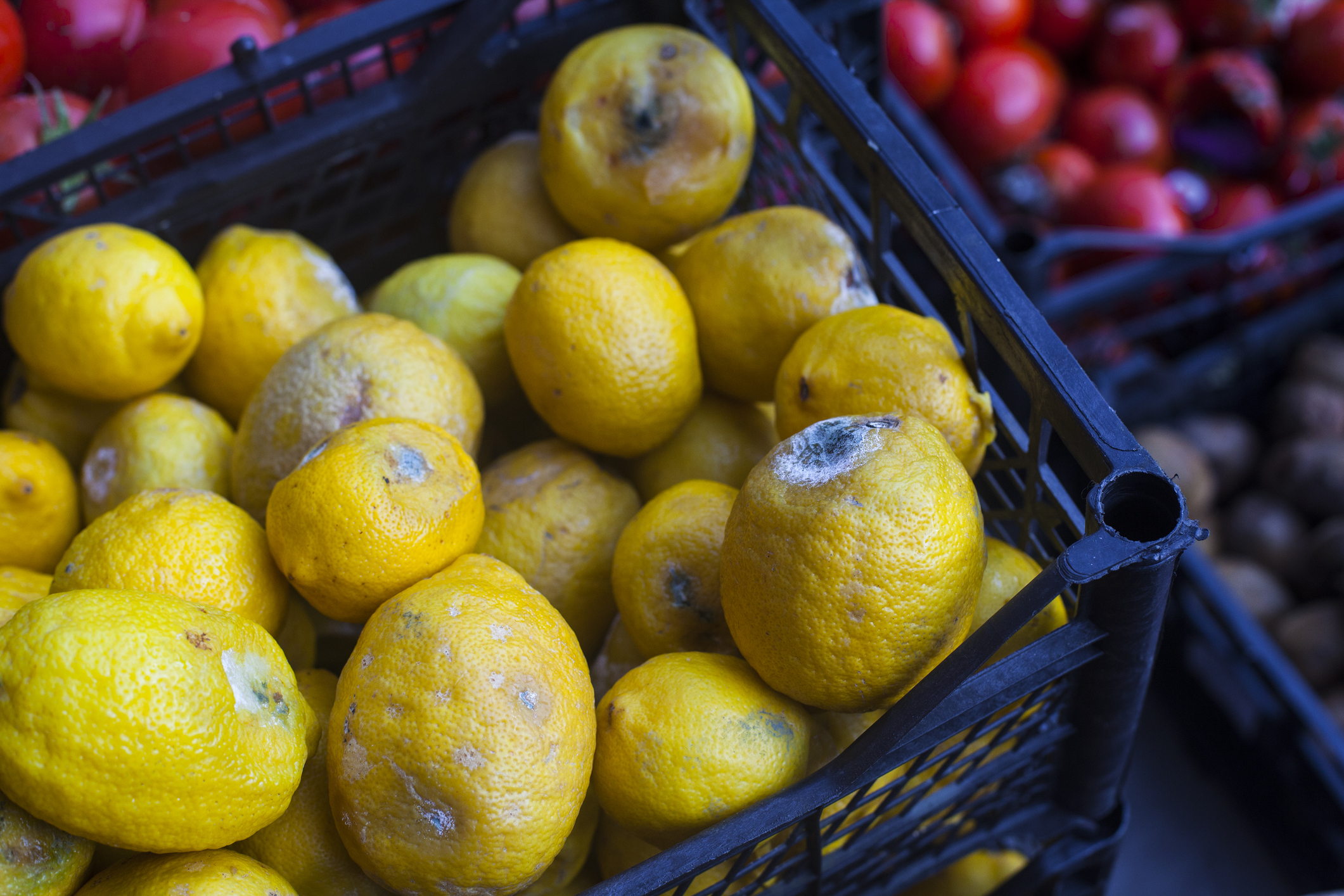
In the 2023-2024 season, Spain faced a staggering agricultural crisis, with around 400,000 tons of lemons left unsold and destined for waste. This amounted to approximately 27% of the planned production and represented an estimated loss of €120 million ($129 million). The issue has sparked intense debate among farmers, industry experts, and agricultural organizations, revealing a complex interplay of factors contributing to oversupply and waste.
The Spanish agricultural union COAG attributes the glut of lemons primarily to excessive cultivation on Spain’s Mediterranean coast. Over the past eight years, the cultivation area for lemons has surged from 36,000 hectares to nearly 53,000 hectares. The allure of high returns from lemon farming led to an increase in plantations, attracting not only farmers but also investors. This growth, however, outpaced market demand, resulting in a surplus that the market could not absorb.
Spanish farmers have pointed fingers at the influx of lemons from countries such as Turkey, Egypt, Argentina, and South Africa. They argue that these imports, often grown under less stringent regulations and with cheaper labor, create unfair competition. They claim that these foreign lemons are treated with phytosanitary products banned in the EU and bring pests that harm local crops. However, data from Ailimpo challenges this narrative, showing that during six months between October 2023 and March 2024, three out of every four lemons consumed in the EU were Spanish, suggesting that imports are not the primary cause of the current crisis.
Market Dynamics and Investment Funds
The World Citrus Organization (WCO) and Ailimpo both emphasize that the core issue lies in the disproportionate rise in lemon cultivation in Spain. Investment funds have played a role in distorting the market, but their impact on new plantation investments has been minimal. Instead, the rapid expansion of lemon orchards by farmers seeking high returns has led to the oversupply.
Climatic adversities and the rise in pests have exacerbated the situation. Spain’s Mediterranean coast has experienced varying weather conditions, which have impacted lemon yields and quality. Additionally, the monoculture practices associated with extensive lemon cultivation have made crops more susceptible to pests, further complicating efforts to manage production effectively.
Another critical factor in the lemon waste crisis is the role of supermarkets. Farmers argue that supermarkets demand aesthetically perfect fruit, leading to a significant waste of lemons that do not meet visual standards despite being perfectly edible. This focus on appearance over quality contributes to the unsold surplus, as lemons deemed imperfect are left to rot in the fields.

Towards Sustainable Solutions
Ailimpo advocates for a more sustainable approach to lemon farming to address the current crisis and prevent future occurrences. The organization supports regenerative agriculture, which involves managing lemon farms in ways that enhance soil health, increase biodiversity, and sequester carbon. This method has shown promise in other regions, such as California, where citrus growers have adopted green practices to improve long-term profitability and environmental sustainability.
To rebalance supply and demand, Ailimpo suggests several measures. These include reducing the area dedicated to lemon cultivation, promoting increased consumption of lemons, and implementing tax reductions and improvements in agricultural insurance. There is a need to address the root cause of the crisis: the uncontrolled expansion of lemon plantations. By aligning production with market demand, the industry can avoid future gluts and ensure economic stability.
There are parallels between the lemon crisis and similar cycles in other agricultural sectors, such as persimmons, pistachios, and almonds. In each case, rapid expansion driven by perceived profitability led to oversupply and market imbalances. Recognizing these patterns can help the lemon industry develop strategies to avoid repeating the same mistakes.
For Ailimpo, the future of the lemon industry lies in adopting green practices that promote sustainability and environmental stewardship. The organization is exploring the potential for generating carbon and biodiversity credits through regenerative agriculture. By improving soil health and increasing CO₂ absorption, lemon farmers can contribute to climate change mitigation while ensuring the long-term viability of their crops.

Spain’s lemon waste crisis is a multifaceted issue involving excessive cultivation, market dynamics, foreign imports, climatic challenges, and supermarket practices. Addressing this crisis requires a comprehensive approach that balances supply and demand, promotes sustainable farming practices, and adapts to market conditions.
By learning from past mistakes and embracing innovative solutions, Spain’s lemon industry can overcome the current challenges and build a more resilient and environmentally friendly future.