

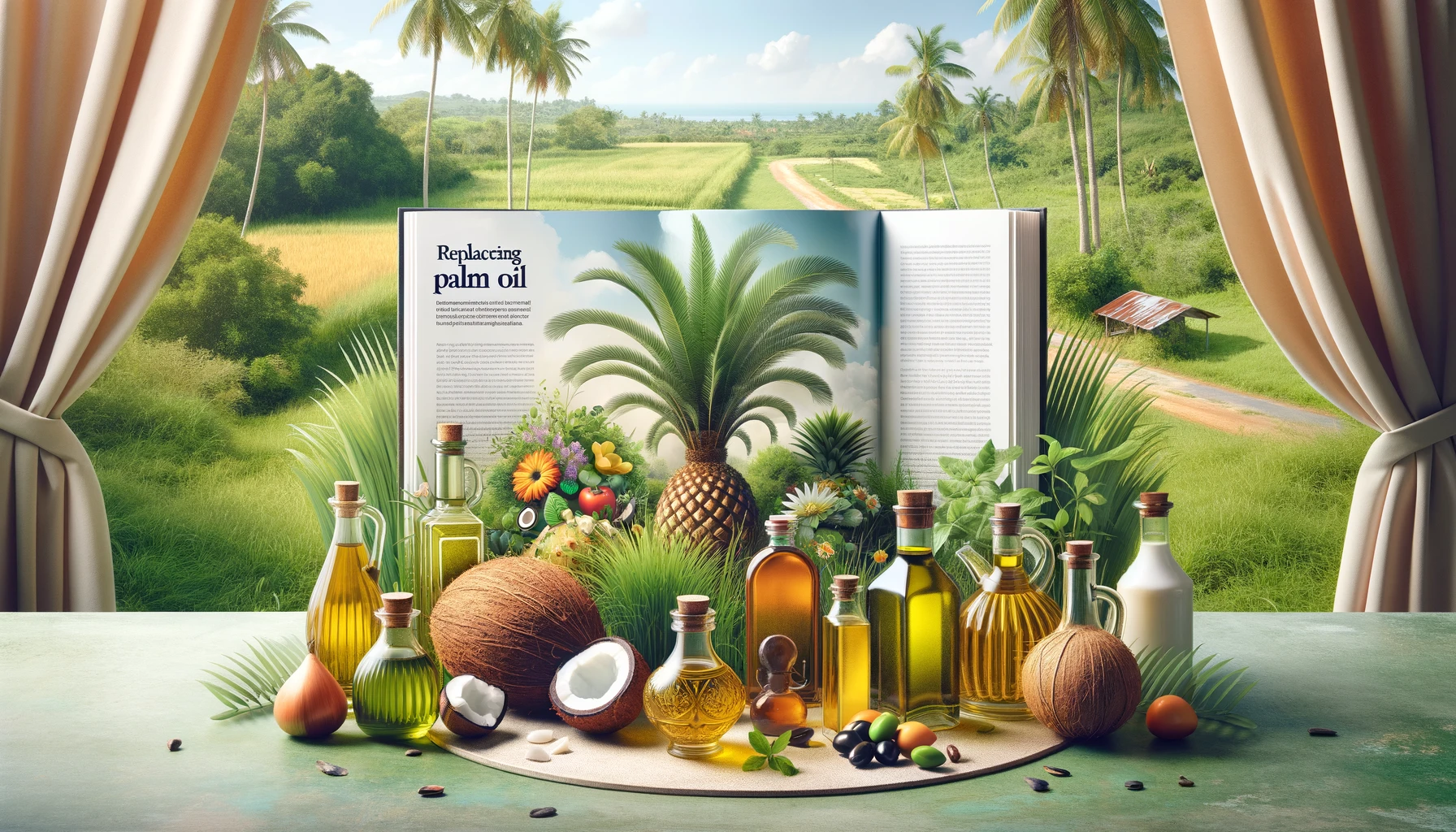
When it comes to global commodities, few are as pervasive and yet as environmentally contentious as palm oil. Palm oil is a staple in both kitchens and factories around the world, found in a vast array of products from bread, and instant noodles to cosmetics like lipstick and everyday items like Nutella and ice cream.
However, the environmental toll of palm oil production is enormous. To meet the growing demand, vast expanses of rainforests along the Equator—critical areas for biodiversity and essential in the fight against climate change—have been decimated, replaced by endless palm oil plantations. This deforestation has had catastrophic effects on numerous species, notably the orangutans in Indonesia, pushing them closer to extinction.
Amidst this backdrop, a wave of innovative startups is emerging with a bold mission: to reinvent palm oil production by making it sustainable and environmentally friendly. These companies are transitioning their technology from the laboratory to real-world applications, crafting materials through fermentation processes akin to those found in breweries but focused on producing oils instead of beer.
While these new forms of oil are not yet approved for food use, they are beginning to make their appearance in products like cosmetics, signaling the first steps toward broader application.
The challenge these startups face is formidable. The global market is saturated with traditionally produced palm oil, which, due to the scale of current agricultural practices, is relatively inexpensive. Food manufacturers and other industries reliant on palm oil claim they are striving to create more sustainable supply chains. Yet, creating a lab-based substitute for palm oil presents its own set of challenges.
While this method may be less labor-intensive than clearing forests and maintaining millions of trees, competing with traditional palm oil on price and volume requires access to massive manufacturing facilities. For now, the products from these startups remain more costly than their conventional counterparts.

Despite these hurdles, the environmental and ethical motivations driving these startups are powerful and persuasive. The unchecked destruction of rainforests not only poses a direct threat to countless species but also significantly exacerbates climate change through the release of vast amounts of carbon dioxide as trees are burned or left to decompose. The social impacts are equally distressing, with issues ranging from land disputes to substandard working conditions plaguing the industry.
These startups are pioneering a method known as precision fermentation to produce oils that closely mimic the properties of palm oil. By genetically modifying yeast or bacteria, they can ferment sugars into oils with similar functional characteristics to those derived from palm trees. This approach, akin to the industrial production of insulin and certain vitamins, represents a significant advancement in sustainable production methods.

However, the path to replacing traditional palm oil with these sustainable alternatives is fraught with challenges. Regulatory hurdles remain a significant barrier, as these new oils must be approved for use in food and other products. Additionally, to meet global demand, these companies need to scale their production significantly. This involves not only constructing or adapting large fermentation facilities but also securing a steady supply of biomass, such as sugars, which are essential for the fermentation process.
In response to these challenges, some startups are forging partnerships with larger corporations and investors who recognize the long-term potential of sustainable alternatives. These collaborations can provide the necessary capital and infrastructure to accelerate the development and adoption of these new oils. Moreover, growing public awareness and consumer demand for sustainable products can spur market acceptance, helping these alternatives carve out a market share against traditional palm oil.

Ultimately, the journey to replace palm oil with a sustainable alternative is marked by technical, financial, and regulatory obstacles. Yet, the endeavors of these startups represent a significant stride toward preserving our planet’s biodiversity and combating climate change. As technology progresses and more consumers and businesses prioritize sustainability, the potential for these innovative oils to become a mainstream ingredient increases, promising a future where our everyday products no longer contribute to environmental degradation.
Looking ahead, the success of these startups hinges on several key factors. First, they must navigate the complex regulatory landscape to gain approval for their products in various markets. Second, they need to establish robust supply chains for the raw materials required for fermentation, ensuring sustainability and consistency. Third, they must continue to innovate and improve their production processes to reduce costs and increase efficiency.
Education and advocacy also play a critical role in this transition. Consumers and businesses alike need to be informed about the environmental impact of traditional palm oil production and the benefits of switching to sustainable alternatives. As awareness grows, so does the pressure on companies to adopt these new oils, driving a shift in industry standards and practices.