


The revelation that shrimp, a staple in diets across the globe, have been found to contain traces of cocaine has sent ripples through the food safety and environmental sectors. This unexpected discovery not only raises concerns about the purity of our seafood but also opens a window into the hidden connections between urban lifestyles, pollution, and the natural world.
In this article, we delve into the details of this startling finding, exploring its origins, the science behind the detection, and its broader implications. From the tranquil rivers of Suffolk to the bustling ports of Italy, we uncover the journey of cocaine from urban settings to the unsuspecting shrimp, shedding light on a global issue that touches environmental, legal, and health spheres.
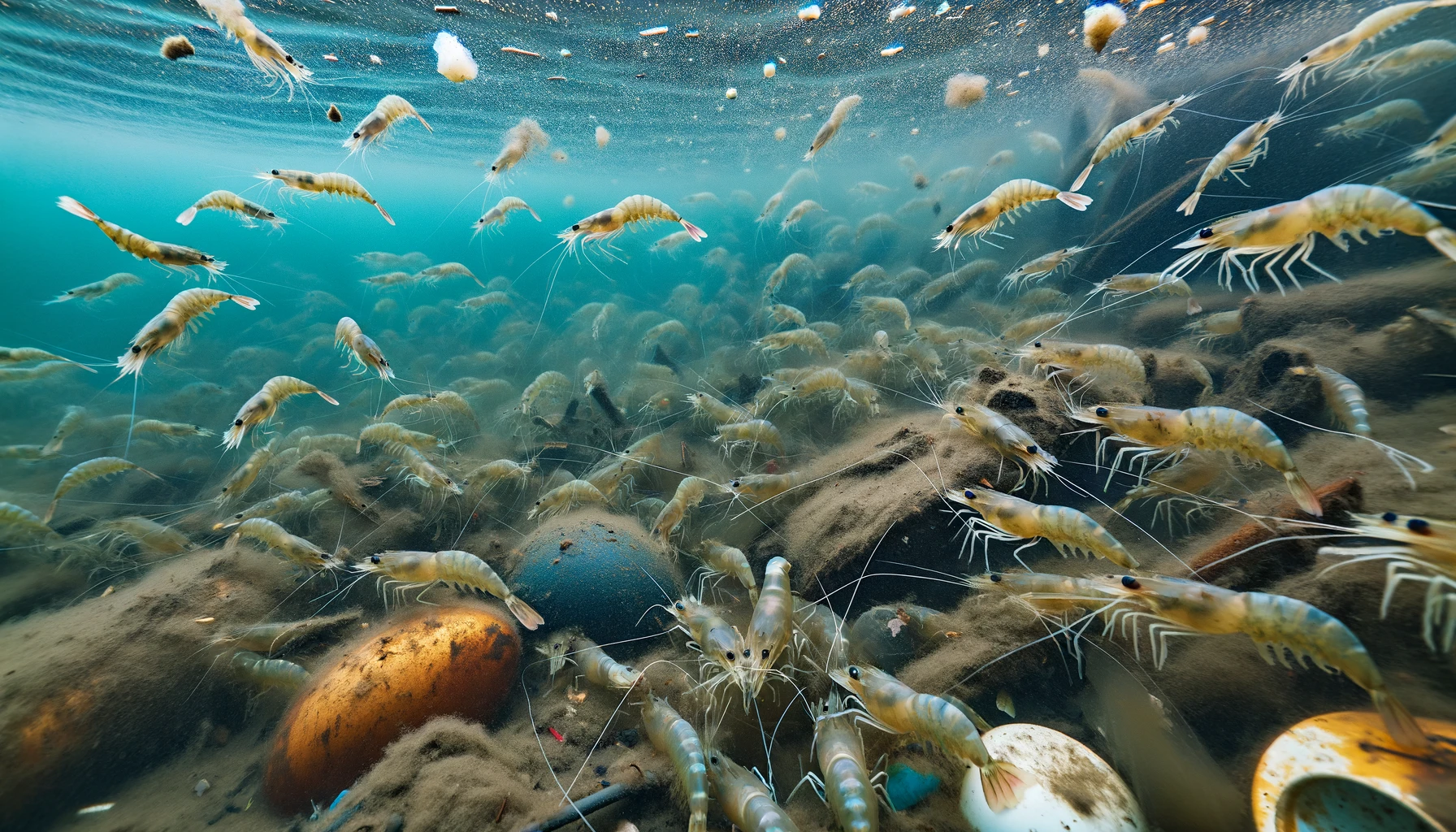
In an unprecedented finding, a study conducted by Environmental International in 2018 revealed that shrimp from five river catchments in the Suffolk area of the UK were testing positive for cocaine. The study, initially focused on assessing water quality and aquatic life health, uncovered that these crustaceans were carrying not only cocaine but also lidocaine and a host of illegal pesticides. This revelation was both shocking and concerning, indicating a significant level of drug pollution in water bodies far removed from the typical urban drug hotspots. The presence of cocaine in shrimp highlights a disturbing trend of drug contaminants making their way into the natural environment, raising critical questions about the sources of such pollution and its impact on wildlife.
The detection of cocaine and other substances in shrimp was the result of meticulous scientific analysis. Using advanced testing methods, researchers found that in addition to cocaine, the shrimp contained lidocaine, a common adulterant in street cocaine, and banned pesticides like fenuron and ketamine. The presence of these substances in rural areas was particularly alarming, indicating that the reach of urban pollution extends far beyond city limits. Scientists speculate that these drugs and pesticides could enter water bodies through various pathways, including sewage overflows, agricultural runoff, and improper disposal of pharmaceuticals and narcotics. This contamination presents a grave environmental issue, as it not only affects the shrimp but also has the potential to disrupt entire aquatic ecosystems. The study serves as a crucial reminder of the far-reaching impacts of human activities on the environment and the urgent need to address pollution in all its forms.
The phenomenon of drug-contaminated seafood is not limited to the United Kingdom. A strikingly similar incident occurred in Italy, where an Albanian national was arrested for attempting to smuggle cocaine concealed within a shipment of shrimp from Ecuador. This case illustrates the intricate and often hidden links between the illegal drug trade and legitimate global commerce. Drug traffickers are constantly devising new methods to transport their contraband, and as this incident shows, even the food supply chain is not immune to exploitation. This crossover poses a significant challenge to law enforcement and food safety authorities worldwide, highlighting the need for vigilance and cooperation across borders to tackle these complex issues.
While the immediate health risks to humans consuming shrimp contaminated with trace amounts of cocaine are considered low, the broader environmental implications are far more significant. The presence of cocaine and other drugs in aquatic environments can have profound effects on wildlife, potentially altering behavior, reproduction, and growth patterns. The impact extends to the entire aquatic ecosystem, with potential consequences for biodiversity and ecological balance. Furthermore, the discovery of illegal pesticides alongside cocaine compounds the risk, posing a direct threat to both marine life and human health. This situation underscores the critical need for comprehensive environmental monitoring and stringent regulation of pollutants to protect both our ecosystems and our food sources.

To combat this multifaceted issue, a combination of enhanced regulatory frameworks, improved wastewater treatment processes, and international collaboration is essential. Governments and environmental agencies must implement stricter controls on the disposal of pharmaceuticals and narcotics, and ensure that wastewater treatment facilities are equipped to filter out such contaminants. Additionally, increased monitoring and testing of seafood for drug residues should become a standard practice to ensure public safety. Global cooperation is also vital in addressing the underlying issue of drug trafficking and its unexpected consequences on the food supply chain.
The discovery of cocaine in shrimp is a poignant illustration of the interconnectedness of human actions and the natural world. It serves as a stark reminder of our responsibility to protect the environment and ensure the safety of our food. As we navigate the complexities of this issue, a collective effort involving governments, scientists, environmentalists, and consumers is crucial. By raising awareness, enhancing regulations, and promoting sustainable practices, we can work towards a future where our waterways are clean, our wildlife is protected, and our food is safe.