
Many studies have shown that poor nutrition is associated with a high risk of eye-health degeneration. An unhealthy lifestyle and overactive immune system force our bodies to fight back with hormones and protective mechanics that, in turn, damage our vision more than we realize.
Apparently, each of us has about 50-50 chance of developing some form of cataract by the age of 75. Anti-inflammatory and antioxidant-rich foods have a positive and preventative effect against eye disorders like optic nerve damage, glaucoma, loss of eye strength, and partial vision loss. Evidently, we have the facts and proofs, so how do we act from there?
It is useful to know that vitamins found in many raw foods effectively reduce blood sugar and hormonal changes, absorbing UV rays and other rays that damage our eyes, such as the blue light emitted from different technical devices – like the one you are looking at right now. By reducing the amount of blue or UV radiation that enters the eye, antioxidants keep the healthy cells alive longer. So, what are the best foods to “feed” our eyes and how do they affect our health?
1. All Hail the Kale
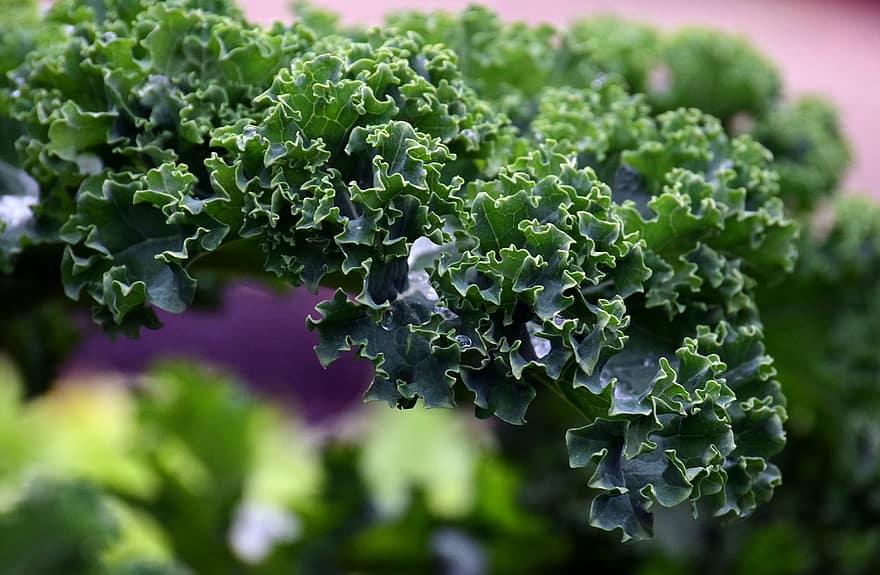
Kale – a vegetable rich in lutein and zeaxanthin, antioxidants that are also found in your eyes. Antioxidants protect the eyes from harmful free radicals and absorb 40 to 90 percent of intense blue light. According to experts, green leafy vegetables such as kale can increase the density of pigment in the part of the retina that is responsible for our detailed vision. This helps us to read and thus leads to better retinal protection and less risk of macular eye degeneration.
2. Quinoa – Eat it Even If You Can’t Pronounce It
As mentioned earlier, eye tissue becomes damaged due to oxidative stress and inflammation that builds up over time due to aging and an unhealthy lifestyle. Foods with a low glycemic index, such as quinoa, reduce the risk of senile macular degeneration by eight percent. So, this is another reason to include whole grain cereals in your diet and toss out the refined carbohydrates.
3. Peanuts
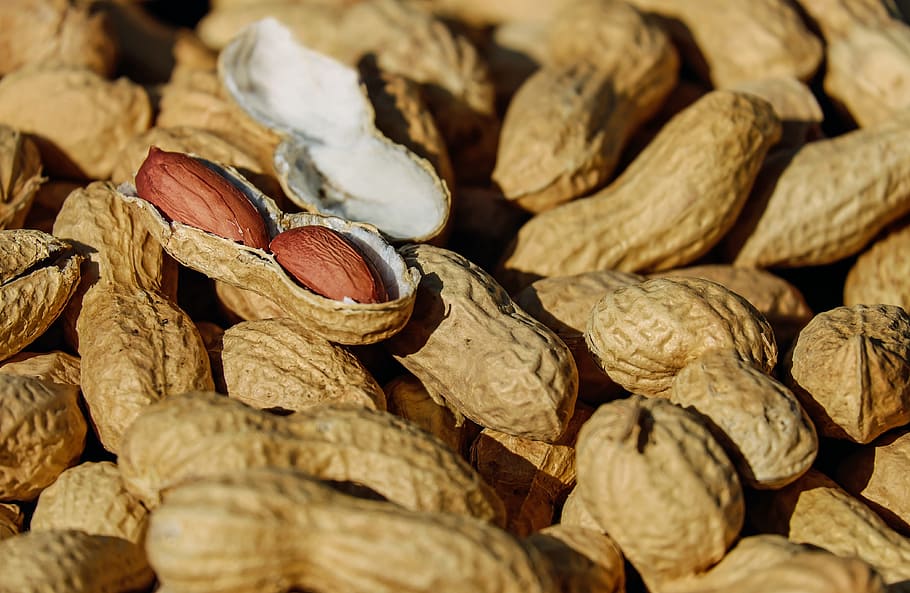
Vitamin E and omega-3 fatty acids are the key ingredients found in peanuts. Vitamin E has been shown to protect against cataracts and senile macular degeneration, and individuals with low levels of omega-3 fatty acids (DHA and EPA) are likely to have eye diseases such as diabetic retinopathy, retinal damage that can cause blindness. So, always keep a handful close by – they are a great snack for movie nights!
4. Give Peas a Chance
Peas are an excellent source of zinc, a mineral that is essential for eye and vision health. Zinc enables Vitamin A to produce the eye-protecting pigment melanin that is associated with improved night vision. Some other foods rich in zinc include chickpeas, lentils, beans, hemp, flax, pumpkin seeds and cashews. Plan a trip to the health food store.
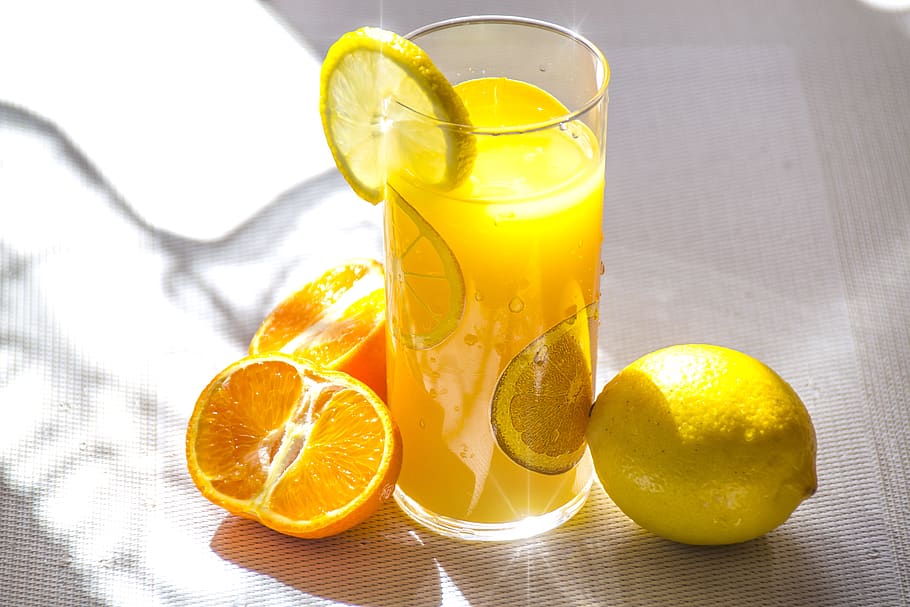
5. Orange Juice
Vitamin C that arrives from oranges has a beneficial effect on eye health. It improves eye pressure and can reduce the risk of cataracts or similar issues that lead to blurriness in the center of the lens which causes you to see more images. A recent study showed that taking 500 mg of Vitamin C a day can slow down the progression of senile macular degeneration by about 25 percent as well as the loss of visual acuity by 19 percent in high-risk individuals. Two cups of orange juice or a cup of lemonade will provide you with enough vitamin C levels.
As we have seen, many degenerative changes in the eye may not be avoided, but they can be slowed down. Studies show that omega-3 acids and antioxidants like vitamins E and C help people with a weakened immune system caused by a poor diet, chronic stress and illness and they help preserve your eyesight. Do you know anybody who might need a push in the right direction? Don’t forget to share this article with them.
So, not only do these healthy food options protect the vision, but they also provide health benefits for all tissues in the body (joints, cartilage, ligaments). After all, what good is your vision, if you have problems with movement, balance and normal functioning?