
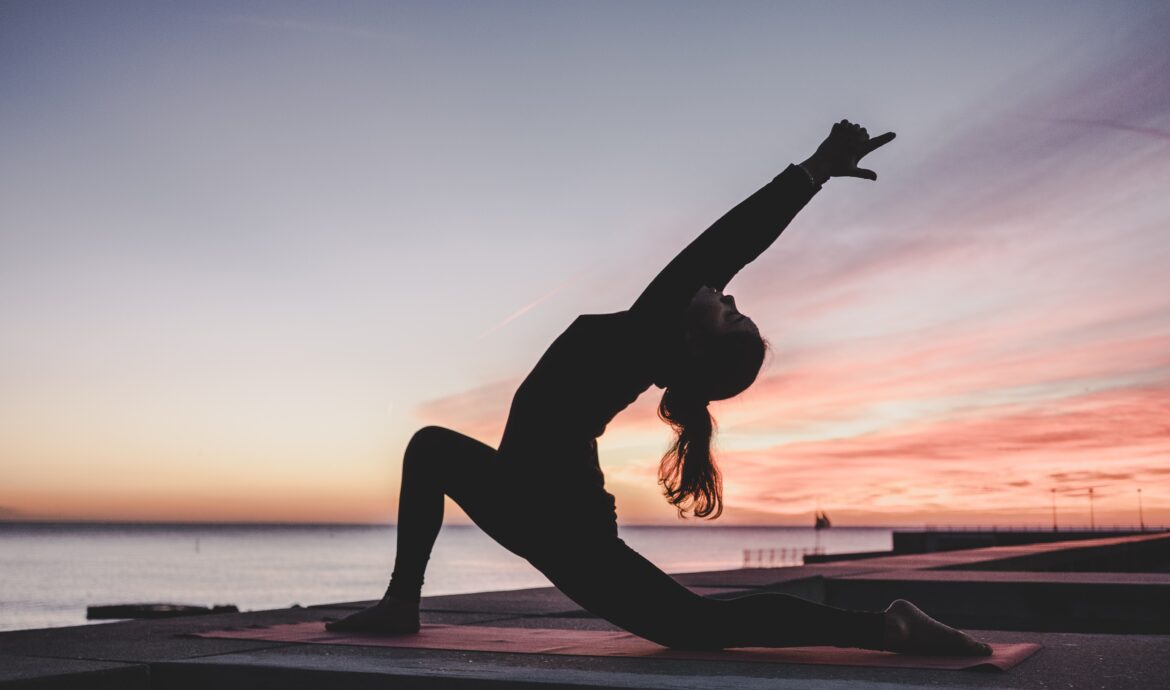
Most of us loved running around on the playground and riding our bikes as kids. We couldn’t seem to get enough and never seemed to run out of energy. As adults, some of us have been conditioned to believe that energy naturally disappears as age increase, and that it is simply a fact of life that we become fatigued and lethargic later in life. Luckily, we can fix this. Energy is a byproduct of movement and self care. Here are several tips on using exercise to start feeling good right now.
Mental health
We don’t always associate physical activity with mental well being, but being active plays a major role in keeping your mood elevated. Studies have shown that having a regular exercise routine can work just as powerfully as prescribed medication to treat depression. Going out there and moving your body promotes all types of chemical changes in your brain and patterns that leave you feeling calm and rested. Along with depression, studies have shown that working out works wonders in treating anxiety, stress, ADHD and post-traumatic stress disorder.
Types of exercise: Cardiovascular and anaerobic
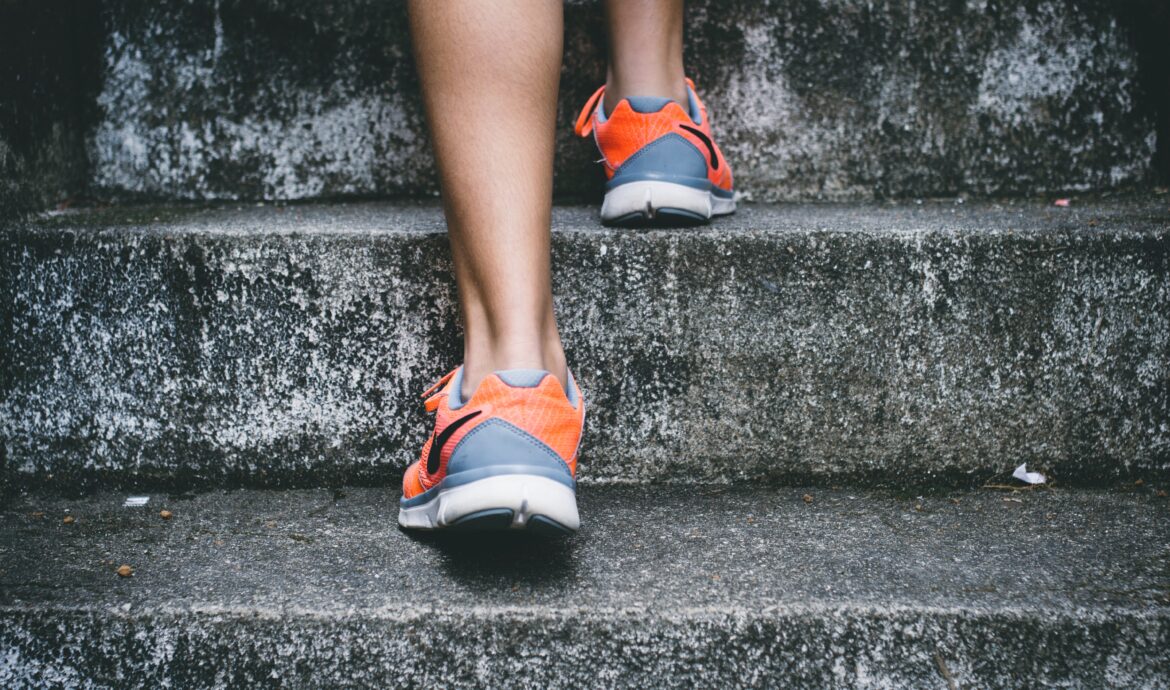
Cardio is great to burn off whatever stress you are experiencing. Whether your boss if frustrating you because he keeps ignoring your emails or whether your kids are fighting over dinner again, taking it all out on a 30 minute cardio session will work wonders on your brain. Of course, the longer you go, the greater the benefits will be. Anywhere from 30 minutes to an hour is a good benchmark for seeing great benefits on you mood and body. Try to go for a run, a vigorous bike ride or even swimming for all around workout.
Cardio has also been shown to drastically reduce your chances of getting heart disease and heart attacks. Cardio reduces blood pressure, increases blood flow and lowers cholesterol. You can bet that having a moderate cardio routine will help manage your weight and mental health.
 Types of exercise: Resistance training and muscle building
Muscle mass and function starts declining at around 30 years of age in most people. Over the course of a decade, men and women can see between a 3% to 5% decrease in muscle mass. Of course this is a natural part of aging, but losing muscle is no fun. Having a strong body helps prevent injuries and speeds recovery time.
As an example, we will use Dave and Steve, twin brothers of 37 years of age. Dave weight trains and eats right, while Steve has a pot belly and prefers to play Call Of Duty in his free time. Dave and Steve get in a car accident together, they collide into another car. They both make it out safe and sound without a scratch on their bodies. But the impact of the crash has shaken them both, and they both experience pain in their lower backs and neck following the crash. Dave, having a solid muscle base, is fully recovered from the impact within twelves weeks as the final tinge of discomfort disappears from his back. Steve on the other hand still feels his entire back ache twelve months after the accident. His happiness suffers as his ability to do simple tasks like move things around the house, grocery shopping and even his sex life are impacted.
It is important to make sure to exercise every muscle in the body, including the face and neck. You can do neck exercises to help develop the muscles in your jaw. You can bet that Dave has neck muscles, and you can bet that his jaw wouldn’t have broken had his face hit the dashboard.

Types of exercise: Resistance training and muscle building
Muscle mass and function starts declining at around 30 years of age in most people. Over the course of a decade, men and women can see between a 3% to 5% decrease in muscle mass. Of course this is a natural part of aging, but losing muscle is no fun. Having a strong body helps prevent injuries and speeds recovery time.
As an example, we will use Dave and Steve, twin brothers of 37 years of age. Dave weight trains and eats right, while Steve has a pot belly and prefers to play Call Of Duty in his free time. Dave and Steve get in a car accident together, they collide into another car. They both make it out safe and sound without a scratch on their bodies. But the impact of the crash has shaken them both, and they both experience pain in their lower backs and neck following the crash. Dave, having a solid muscle base, is fully recovered from the impact within twelves weeks as the final tinge of discomfort disappears from his back. Steve on the other hand still feels his entire back ache twelve months after the accident. His happiness suffers as his ability to do simple tasks like move things around the house, grocery shopping and even his sex life are impacted.
It is important to make sure to exercise every muscle in the body, including the face and neck. You can do neck exercises to help develop the muscles in your jaw. You can bet that Dave has neck muscles, and you can bet that his jaw wouldn’t have broken had his face hit the dashboard.
Drinking water for optimal health
We all know it: Water is the nectar of life. It is important to stay hydrated to be able to perform better when you exercise. Hydration allows your body to absorb nutrients for proper body function. Your body is composed of over 60% water, it is essential in keeping your joints and organs lubricated.
Proper hydration starts even before you move your body. Drink plenty of fluids during the day so that you’re fully energized by the time you exercise. Many of us wonder, how much should we drink? As a recommended rule of thumb, active men should aim to get around 3.7 liters of fluids per day and women around 2.7 liters. Around 20% of that will come from water rich food.
But what if you don’t like water? We know, drinking plain water can be bland when you first try to make it a habit. Most experts agree that you should try to drink before getting thirsty.
 Recovery
Perhaps just as important as exercise itself is recovery time. Some people go really hard when they first experience the improved quality of life they get from being active, but as the saying goes, everything is good in moderation. Take the time to do deep stretches after a good workout, concentrating on big muscle groups like the legs, back and abdomen area. Preventing injuries is key.
Clearing your body of toxins will be hugely beneficial in your fitness journey. Sitting in a sauna for 15 minutes 4 times a week or using something like for cupping your skin and sucking out toxins can work wonders on your recovery time and process. Also, the subject would not be complete if we did not mention to get enough sleep! Going to bed at the same time and sleeping a minimum of 7-8 hours per nights is a baseline for active people.
It’s never too late to start
We are well aware that picking up exercise at 32 is a whole different story that picking it up at 54. We might have a whole life of bad habits to reverse by the time we decide to jump on the health train with a full (or not so full) head of grey hair. Here’s a honest tip: The best way to get into exercising is to accept where you are now, and start with a clear, measurable and realistic goal to attain within a time frame. We’re not asking you to do anything crazy tough. You’ve been able to walk 4 times around the block for the past few weeks? Try bumping it up to 5 this week…
Many adults over 50 can already be dealing with issues like osteoporosis or arthritis; keeping it light in a case like this would be recommended. Some women may find that going through menopause is stopping them from starting out or being consistent with physical activity.
 Skin Care and Beauty
Being healthy radiates from the inside and materialises into a fit body and glowing skin. Adults who struggle with acne or skin issues can see great result just with exercise itself. Moving your body opens up your arteries and promotes blood flow which repairs blemishes and clears clogged pores on the surface of your skin. There are also yoga poses that can be practiced for this very purpose, like a headstand to increase blood flow to your face.
“Ea veri choro!”
Conclusion
It’s quite clear that exercise can only benefit us in a positive way. The important thing is to start, wherever we are in your lives. We need to listen to our bodies and to push ourselves but also have some time to recover and take care of ourselves.