
Let’s face it: the sleeping habits of most people are a sad wreck.
Not only because we sleep too little in general, but also because the sleep we do get is crappy as can be. Stress, too much blue light from gadget screens, low-quality mattresses, surrounding noise… There are dozens of possible reasons for poor sleep.
Here’s the good news: one of these factors is relatively easy to fix.
You’ll just have to keep an eye on what you eat every evening and avoid these 4 everyday sleep killers.
Sleep Killer #1: Stimulants
Many stimulants are present in everyday foods, not just energy drinks. The two most common of them are caffeine and theobromine, with coffee and tea being the most common sources of the stuff.
Studies have reported time and again that caffeine before bedtime:
- Decreases sleep efficiency
- Decreases your total sleep time
- Makes it harder to fall asleep in the first place
Theobromine has a dose-dependent impact on heart rate, meaning the more you drink, the faster your heart will beat.
In other words, forget about coffee, black, and green tea in the evening if you want to get some rest. As a sleep-friendly alternative, consider decaf coffee or herbal tea.
How long to avoid: at least 3 hours before going to bed. Ideally, aim for 6 hours.
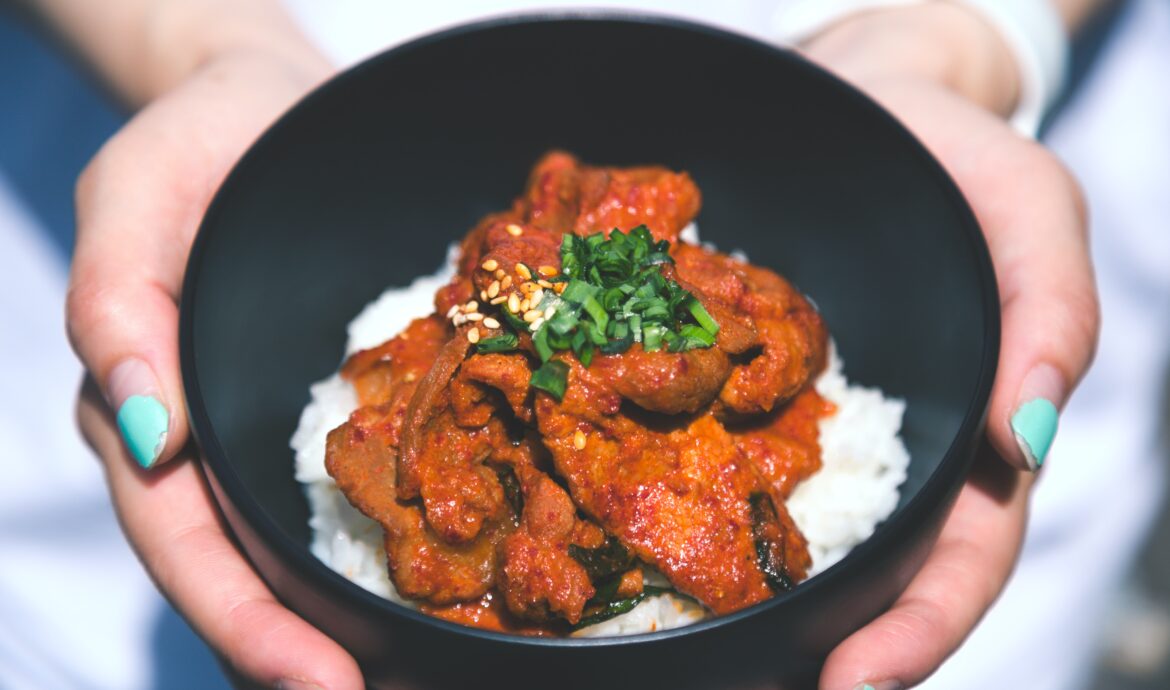
Sleep Killer #2: Spicy food
Yes, any kind of spicy food.
Here’s how it works:
- Spicy food ramps up your body’s core temperature, and that has been confirmed to decrease sleep quality
- It also boosts the production of gastric acid in the stomach
Now, imagine you’ve had your fair share of hot tacos and finally go to sleep. In a horizontal position the flood of gastric acid (boosted by the spicy food) will be much more likely to creep into your esophagus.
The result?
Heartburn and indigestion. Even if you manage to fall asleep before you start feeling this stuff, it will inevitably deliver a solid blow to your sleep quality for the night.
How long to avoid: at least 2 hours, preferably 4.
 Sleep Killer #3: Foods rich in fiber
Eating a lot of fiber has been linked to lighter and less effective sleep.
Basically, instead of resting and recovering, your body will be busy trying to digest the fiber you had for dinner. So, don’t eat too much of your veggies, and don’t eat them too late.
Here are your worst choices for a late-night snack in terms of fiber:
- All cruciferous vegetables (cabbage, kale, broccoli, cauliflower, Brussel sprouts)
- Artichoke
- Avocados are jam-packed with fiber AND fats, and both may impair sleep
- Carrot
- Beetroot
How long to avoid: at least 4-5 hours before going to bed
 Sleep Killer #4: Foods rich in saturated fats
Working in roughly the same way as fiber-rich foods, saturated fats keep your body awake long before your mind drifts off to sleep.
Studies reported that eating a lot of saturated fats before going to bed significantly reduces sleep quality.
Long story short, a fatty steak isn’t exactly a sleep-friendly dinner.
How long to avoid: 5-6 hours before going to sleep
Your time to act
Do you know someone who binges on veggies before going to bed and then wakes up tired in the morning?
Maybe a dude who stuffs himself with hot Buffalo wings and then can’t fall asleep before 2 AM?
Share this list with them and save their sleep!
Seriously, sometimes a good night’s rest is one dietary choice away.
“Ea veri choro!”
Hydration
Hydration is an unrecognized factor that can actually help you have a better night’s sleep. The National Sleep foundation stated that going to bed even mildly dehydrated can disrupt your sleep! Drinking enough water throughout the day is so important for overall body function. Try to drink water upon waking up instead of coffee. In the morning, your body is dehydrated from an 8+ hour drought and it needs water, not caffeine. Drink regularly throughout the day and even try to get some liquid in before getting thirsty. Have a small glass before going to bed to avoid waking up from thirst in the middle of the night.