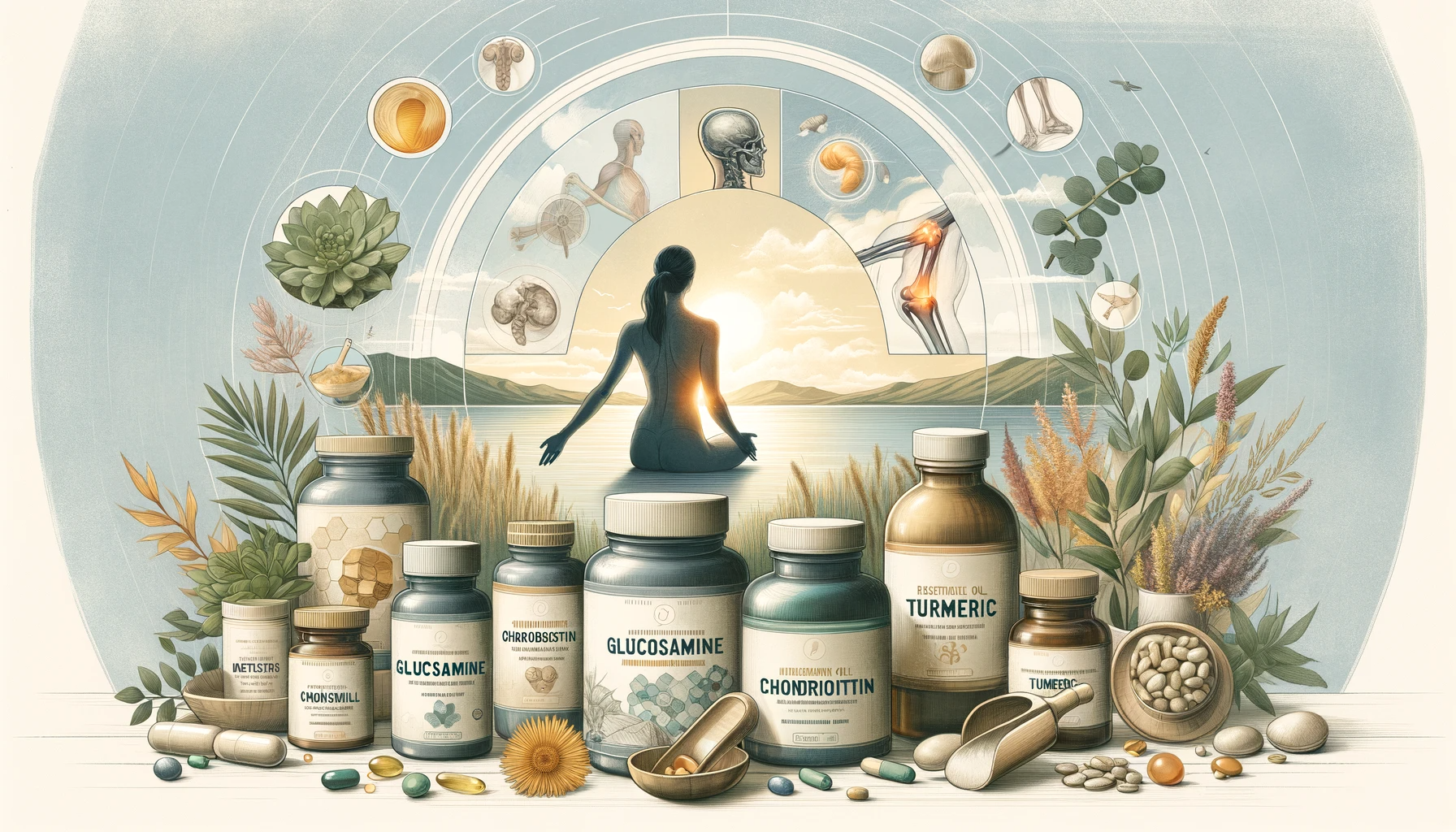


Turmeric is a plant that has a long history of medicinal use, dating back almost 4000 years. In Southeast Asia, turmeric is utilized not only as a popular spice but also as an ingredient in religious ceremonies. Because of its vibrant yellow color, turmeric is also identified as “Indian saffron.” Modern medicine has started to recognize its value, as shown by the over 3000 plus publications surrounding turmeric that were released within the last 25 years.
Turmeric branches from the root of the Curcuma Longa plant, and has been extensively used as a medicinal spice in the east due to its range of health advantages for the body and brain.
The turmeric plants health benefits lie within it’s root that originates below the soil being the principal part harvested due to its diverse functionality. With a rich history originating from both Ayurveda and Chinese medicines, Turmeric has long been praised (some records registering use 5000 years ago) for its generous health benefits and traditional medicinal characteristics.
What’s the difference between Turmeric and Curcumin? Which should I take?
Curcumin only typically delivers 3-6% of turmeric powder. When studied in isolation, it’s results have some trusting advantages, including helping regulate inflammation and cancer cell increase, just to name a few. From these results, scientists and pharmacologists started proposing the notion of extracting Curcumin and creating high concentrate tablets and formulations of the compound to improve these benefits.
More recently, research into turmeric root as a whole is showing that the other compounds in the root also play an important role, independently and when paired with Curcumin. It’s now being considered that natural compounds within the turmeric root can enhance the assimilation of Curcumin; therefore, maximize the bioavailability of Curcumin.
From all the analysis to date, the suggestion would be to stay as close to the original source, the turmeric plant. When consumed in this form, the nutrients come together synergistically in the body, showcasing the powerhouse of health advantages that Turmeric has.
Tumeric and its health benefits
These advantages come from the root’s primary active ingredient, Curcumin, the remedial compound that offers Turmeric its vibrant color and, above all, is responsible for its healing characteristics.
Studies have discovered a strong connection between Curcumin and improved health and longevity. It has been validated to have powerful anti-inflammatory and therapeutic impacts, and in some cases, it has even been referred to as being as efficient as certain prescription medication.
1. Anti-inflammatory properties of Turmeric
One of Turmeric’s most researched characteristics is its anti-inflammatory activity, which is quite vital when you reflect on the consideration that many western diseases rely on chronic inflammation as a critical cause.
Curcumin is considered to have effective anti-inflammatory properties, but other elements may also play a role. Inflammation is a body’s natural reaction; it’s crucial for healing. However, it can result in health disorders when it becomes long-term or out of control. These comprise painful conditions such as arthritis. But many other common health conditions also contain ‘hidden’ irritation – consisting of coronary heart disease, obesity, allergies, skin troubles such as eczema, and even Alzheimer’s.
Studies indicate that in addition to flavoring food, turmeric also performs potential health benefits by scavenging the free radicals formed in the body, and thereby acting as a potent anti-inflammatory.
2. Joint support and Turmeric
By lowering inflammation, Turmeric performs a significant role in promoting joint support.
It’s this great anti-inflammatory activity that makes Turmeric very desirable for joint health. Joint pain and arthritis are amongst the most obvious signs of inflammation. In other words, Turmeric helps to balance inflammation may also ease symptoms.
Indeed, studies have verified that this miracle spice has a dominant position in decreasing joint degradation and encouraging joint maintenance. As a result, companies such as Arthritis Research UK suggest turmeric as complementary medicine.
 3. Turmeric helps digestion
Turmeric acts as a ‘cholagogue,’ which means it signals bile production in the liver and encourages the gallbladder to launch bile into the digestive tract. Bile aids the digestion of fat in our foods.
It’s important that our bodies are supported in fat digestion to absorb fat-soluble nutritional vitamins such as vitamin A, which is crucial for our eyes, skin, and immunity. Bile also helps us to have regular bowel movements and eliminates toxins that have been filtered out of our blood by our liver.
Turmeric also works to shield the liver, which is accountable for changing food into energy – making it one of the essential organs in the body. It carries compounds that prevent the liver from injury and enhance its capability to detoxify.
4. Turmeric is excellent for heart health
We already know that the anti-inflammatory outcomes of Curcumin perform a significant role in protecting us from heart disease.
It’s thought that Turmeric can help decrease cholesterol, thin the blood to maintain a balanced flow of movement through blood vessels, and prevent excessive blood clotting. Studies have indicated that Curcumin may also help prevent the harm to blood vessels that can result in atherosclerosis (plaque build-up in the arteries).
5. Turmeric enhances our mood
Some animal studies and small human clinical trials have recommended that Turmeric has some anti-depressant qualities. Indeed, research published in 2016 discovered the administration of Curcumin to show a tremendous decrease in depression symptoms, specifically among middle-aged patients.
This may be accomplished by excessive release of serotonin – the ‘happy hormone’ – and dopamine, which is related to emotions of reward and motivation.
Besides, Turmeric’s anti-inflammatory characteristics have also been tested to support weight loss, enhancing skin appearance and it may also have a positive impact on our general mood.
How to increase your turmeric consumption
Studies typically apply doses of 500–2,000 mg of turmeric each day, often these are in an extract form with a curcumin concentration that is much more elevated than the quantities naturally occurring in foods.
For example, the average Indian diet consumes around 2,000–2,500 mg of turmeric each day. The same measure in extract form may contain up to 1,900–2,375 mg of curcumin.
In other terms, turmeric spices include around 3% curcumin, opposed to 95% curcumin in extracts. Nevertheless, turmeric still has advantages when utilized as a spice.
While there is no clear consensus on efficient turmeric or curcumin doses, for RA the recommended amount is 500 mg of turmeric extract twice daily for 2–3 months.
High dosages of curcumin and turmeric are not advised long-term since research validating their safety is lacking. Keep in mind that all herbal supplements should be consumed with caution. Always inform your health care provider of any supplements you’re taking, including curcumin and turmeric.